
─ Studio journalStudio Journal is where I reflect on the quieter questions of being an artist. These writings are part idea book, part personal philosophy — exploring what it means to create, to observe, and to move through the art world with intention.
Exploring Abstraction — Musings on Art, Life, and Becoming
- Abstract Art & Interpretation
- Abstract Inquiry
- Abstraction and perception
- Art Discovery
- Art Market & Collector Guides
- Collections & Artwork Stories
- Founder Life
- Geometry, Technology & Science
- Jerry Saltz abstract manifesto response
- Local Art, Events & Art World
- Organic Movement & Thread Painting
- Studio Voice & Philosophy
- Why Series

Why This Series — Why Cy Twombly
On the painter who made scribbling into a classical act — and why his canvases carry more of ancient civilization than almost any other surface in contemporary art
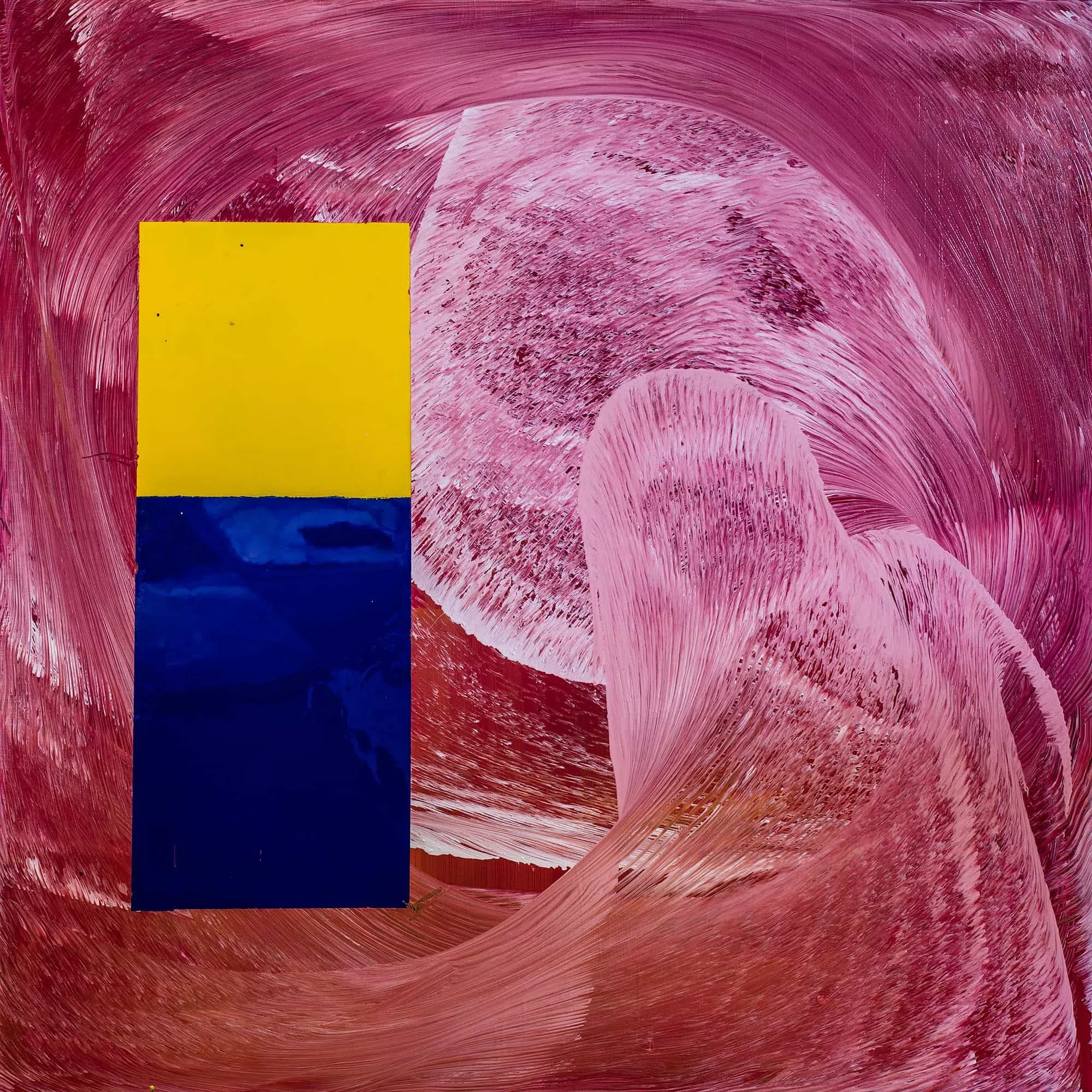
Art That Listens: On Attention as a Creative Practice
I've used the phrase "art that listens" for years now without fully explaining it — partly because explanation can hollow out the thing it tries to describe. But I think it earns its words. Listening is not passive. It is the most alert form of attention. When I say a painting listens, I mean it was made by someone who was present enough to hear what the canvas asked — and honest enough to answer.
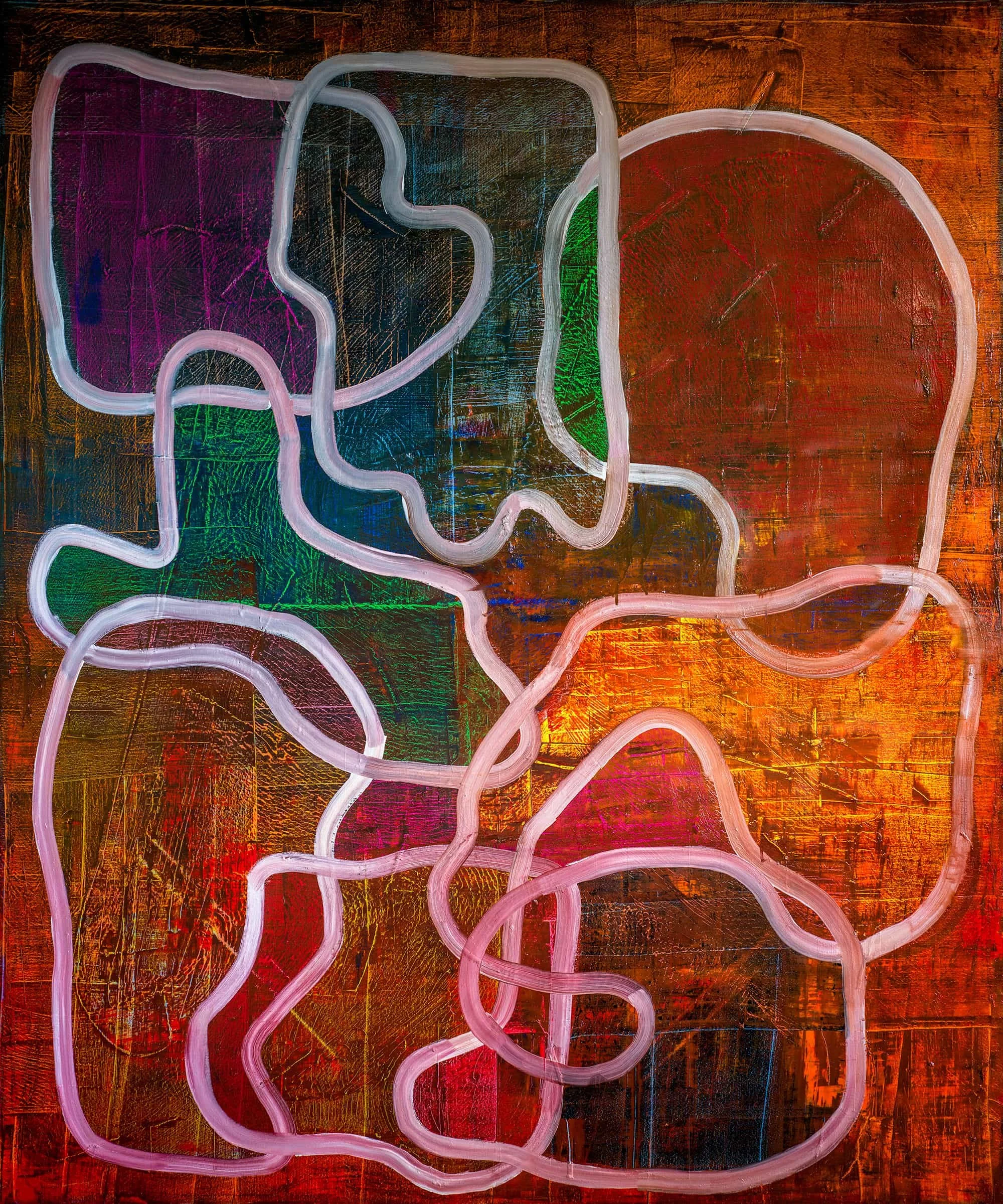
What AI Cannot Paint: Why the Human Mark Still Matters in Abstract Art
As AI-generated imagery floods every surface, something clarifying is happening: the contrast is making the human mark more legible, not less. What a painted canvas offers that no generative system can produce is not nostalgia. It is a specific kind of evidence.

The Medium Is the Artist
I no longer believe I make paintings. I believe I become the conditions under which they arrive. This is not humility. It is the most precise thing I know about what happens in the studio.
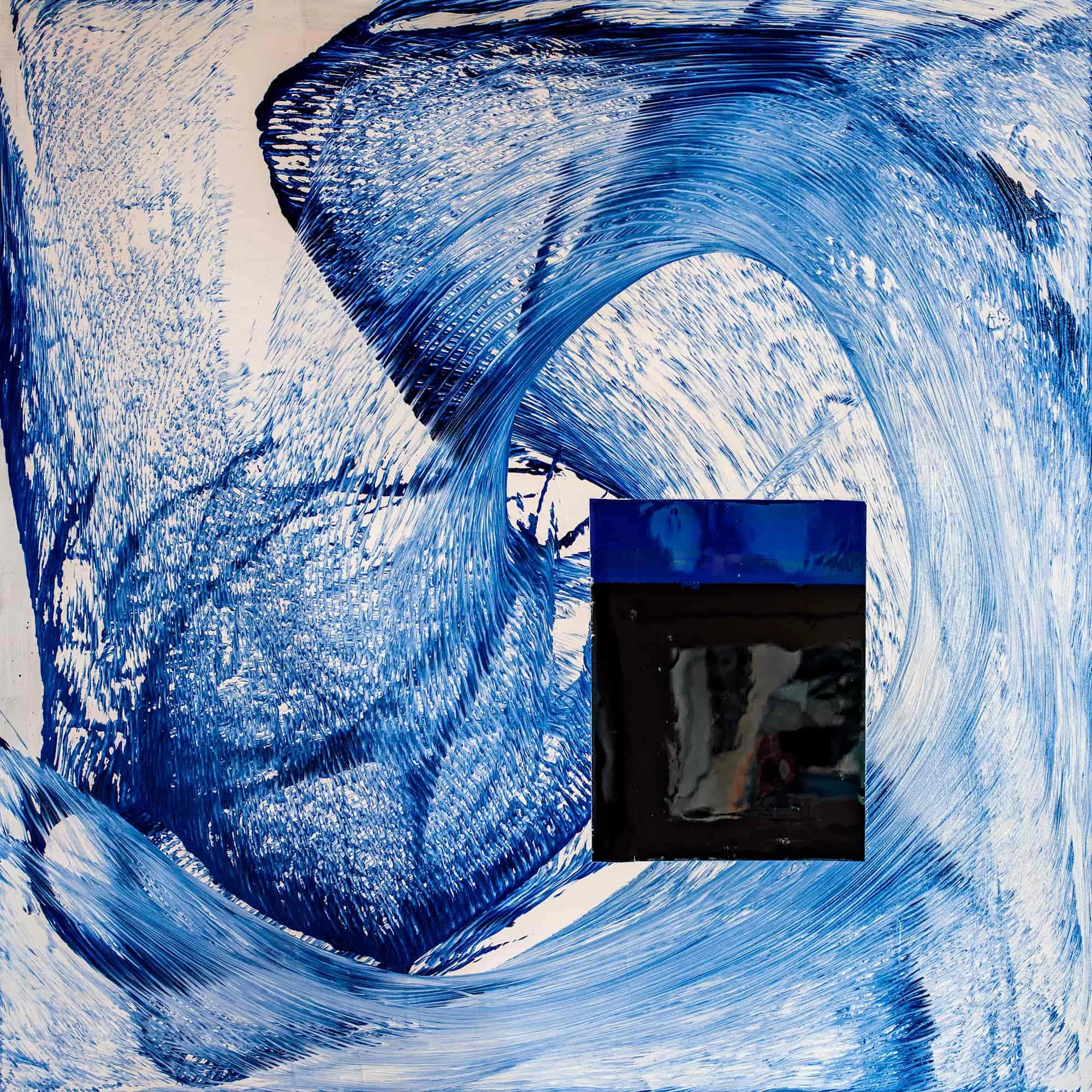
Why the Most Dangerous Thing in Art is Certainty
The difference between a collection that deepens over decades and one that merely fills walls comes down to five principles — none of which are about price or provenance. They are about the quality of the painter's inquiry, and your ability to recognize it.
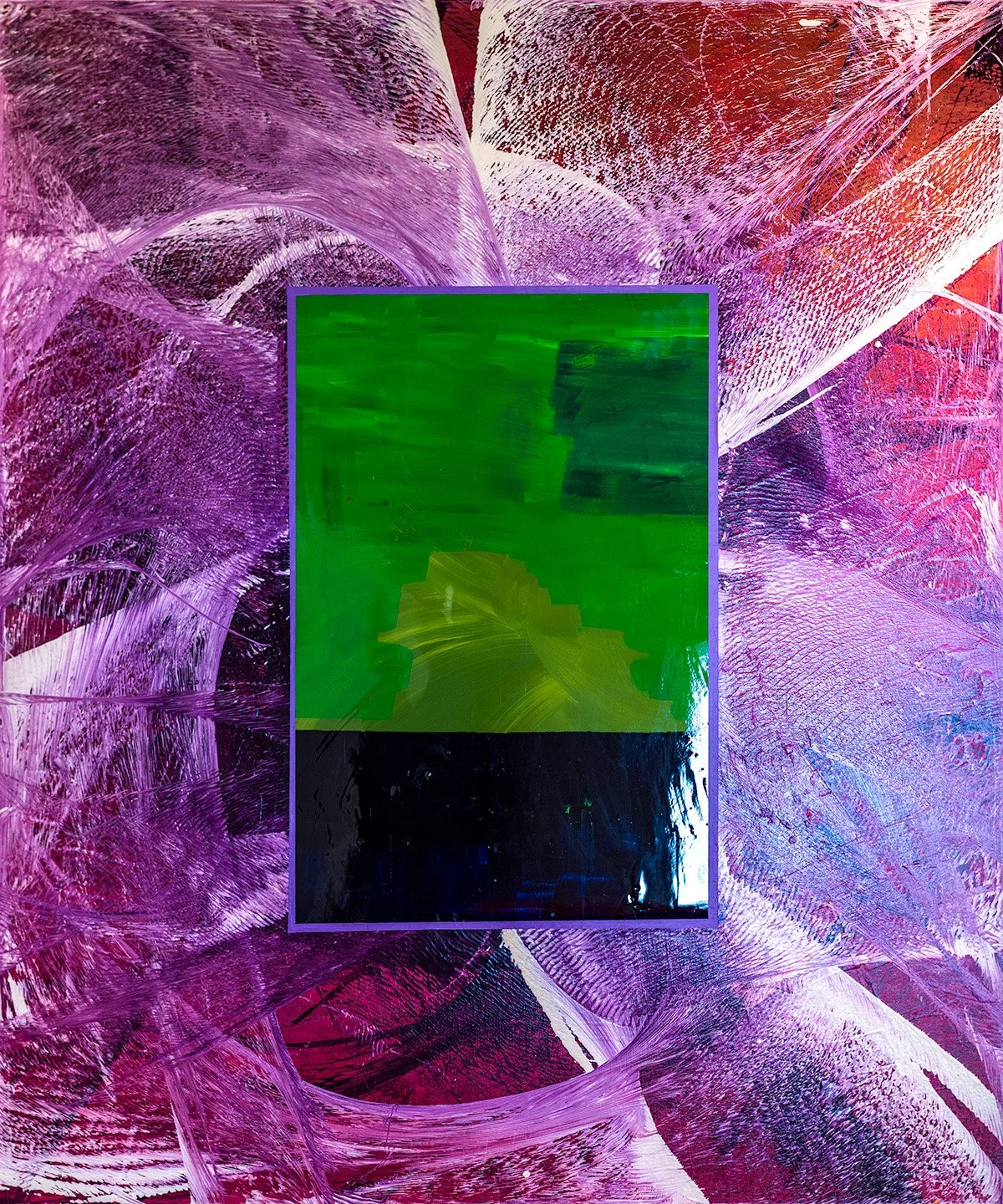
How to Buy Abstract Art: What Every Serious Collector Learns Too Late
Most people feel something in front of an abstract painting — and then immediately distrust the feeling. This essay argues that the feeling is the meaning, and that understanding why changes everything about how you see, collect, and live with abstract work.

What Does Abstract Art Mean? A Question Worth Taking Seriously
The difference between a collection that deepens over decades and one that merely fills walls comes down to five principles — none of which are about price or provenance. They are about the quality of the painter's inquiry, and your ability to recognize it.
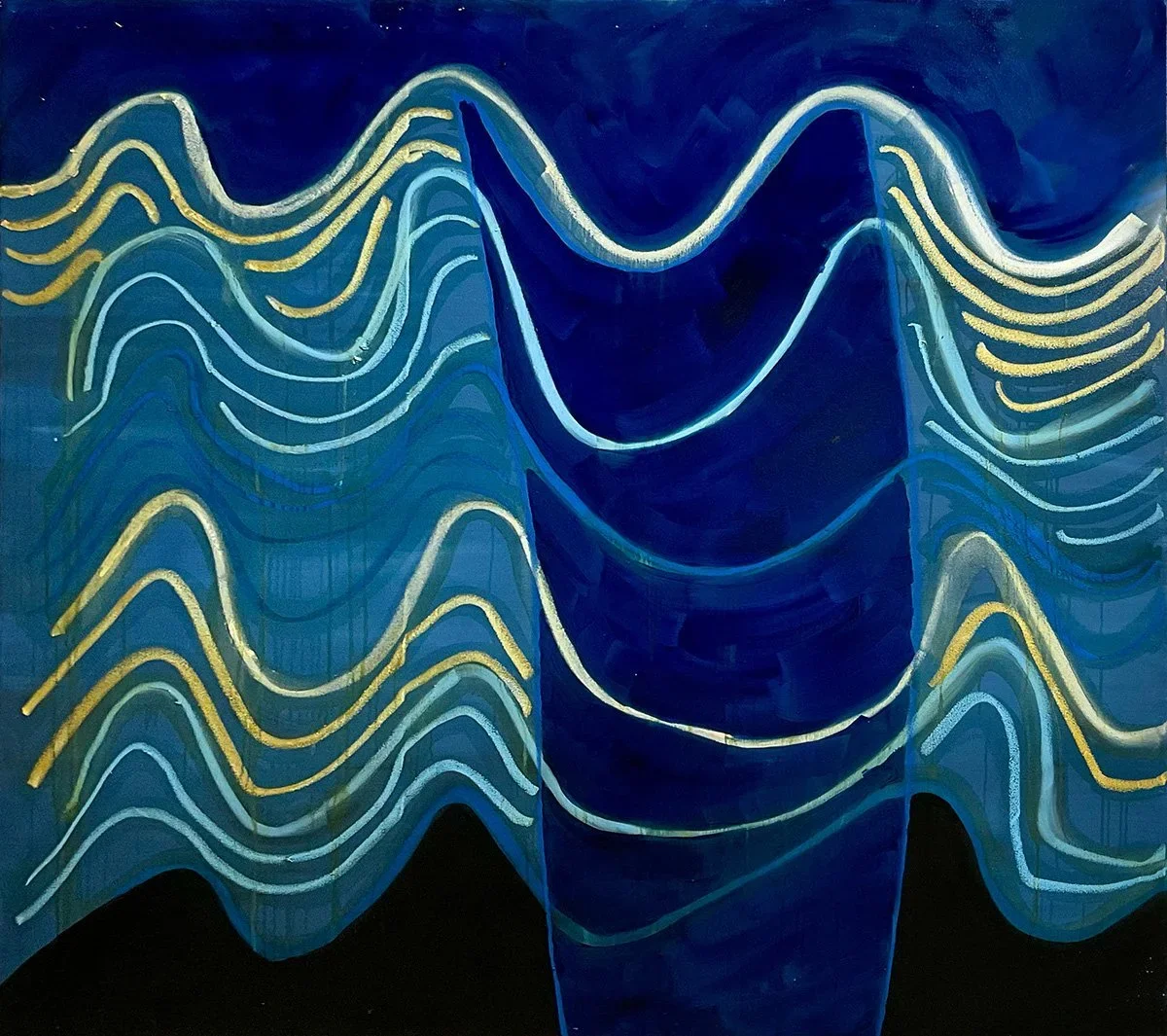
The Ethics of Attention
The canvas keeps a ledger of my awareness. Where I hurry, it breaks. Where I listen, it lives.
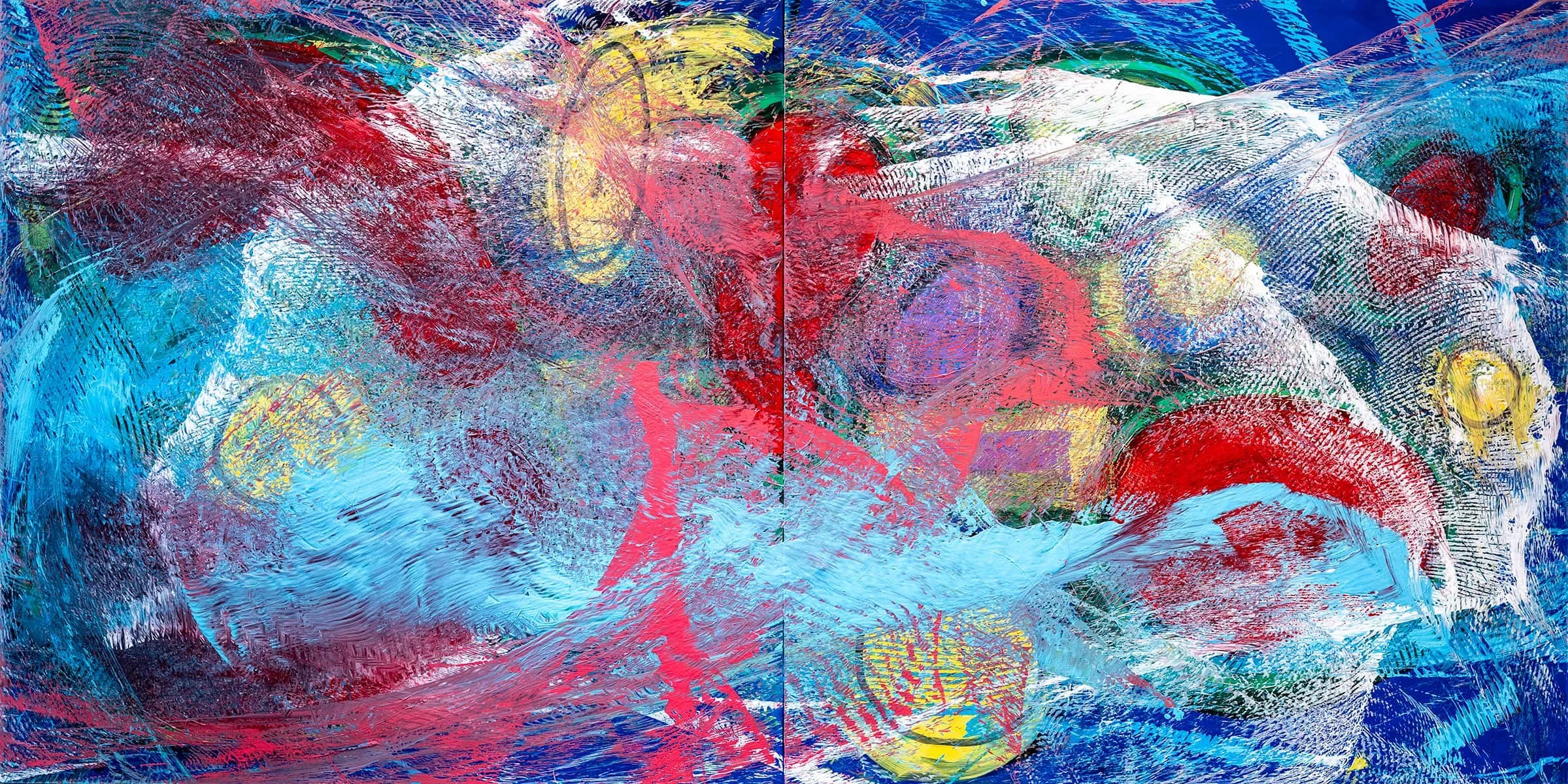
The Digital Studio: Where Technology Mirrors Intuition and the Hand Decides
Code may suggest, but only gesture can commit. The digital studio begins in light and ends in touch.
Why Abstraction: A Way of Telling the Truth
Representation explains; abstraction reveals. I work where seeing is not story but state.
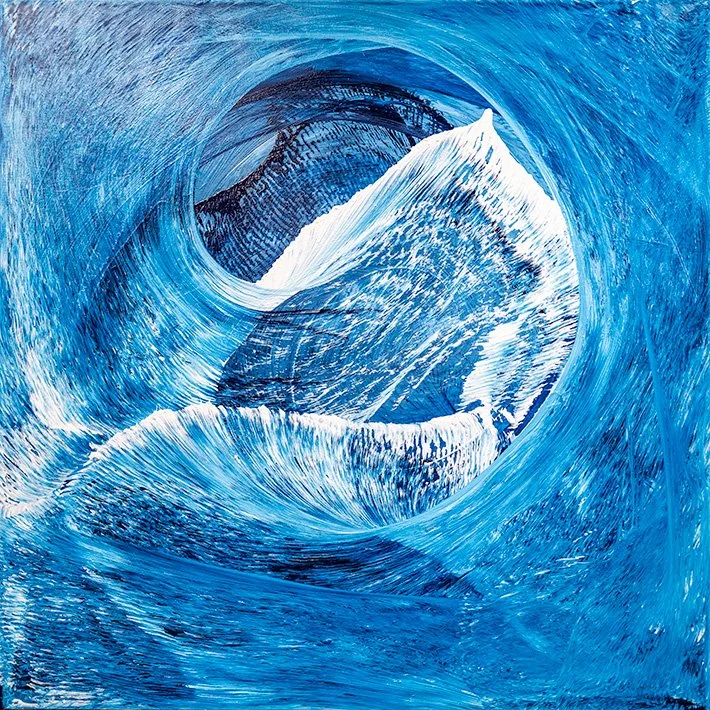
String Wave: The Mathematics Behind Motion, Texture, and Light
In String Wave, Ritu Raj merges art with physics, building a wave from thousands of vibrating string paths shaped by a vortex-like field. The result is a luminous crest formed by the mathematics of motion itself.

The String and the Breath: On My Technique
The string is both instrument and interlocutor. It refuses perfection, and in that refusal, the work becomes human.

Geometry of Emotion
I don’t organize feelings; I allow their structure to reveal itself through proportion and pause.

Prologue of Return: Beginning Again
The world paused—and in that pause, painting found me again. Silence was not absence; it was permission.

String Theory at the LA Art Show
The LA Art Show transforms scientific theories into art. Through works inspired by string theory, artists like Ritu Raj turn invisible forces into vibrant forms, blending structure, motion, and emotion into a single visual language.
Ritu Raj and Contemporary Tachiste Abstraction
A painting, like a photon, exists only when it is seen. In the studio, observation becomes creation — the act that collapses infinite possibilities into one coherent truth. Every abstract work is a quantum field of potential, completed only by the gaze that meets it.

The Quantum Canvas: Observation as Creation
A painting, like a photon, exists only when it is seen. In the studio, observation becomes creation — the act that collapses infinite possibilities into one coherent truth. Every abstract work is a quantum field of potential, completed only by the gaze that meets it.

Integrity: From Algorithm to Abstraction
What if integrity could be both algorithm and abstraction — both rule and revelation? A painting is whole when nothing feels missing, when intention and expression finally align.
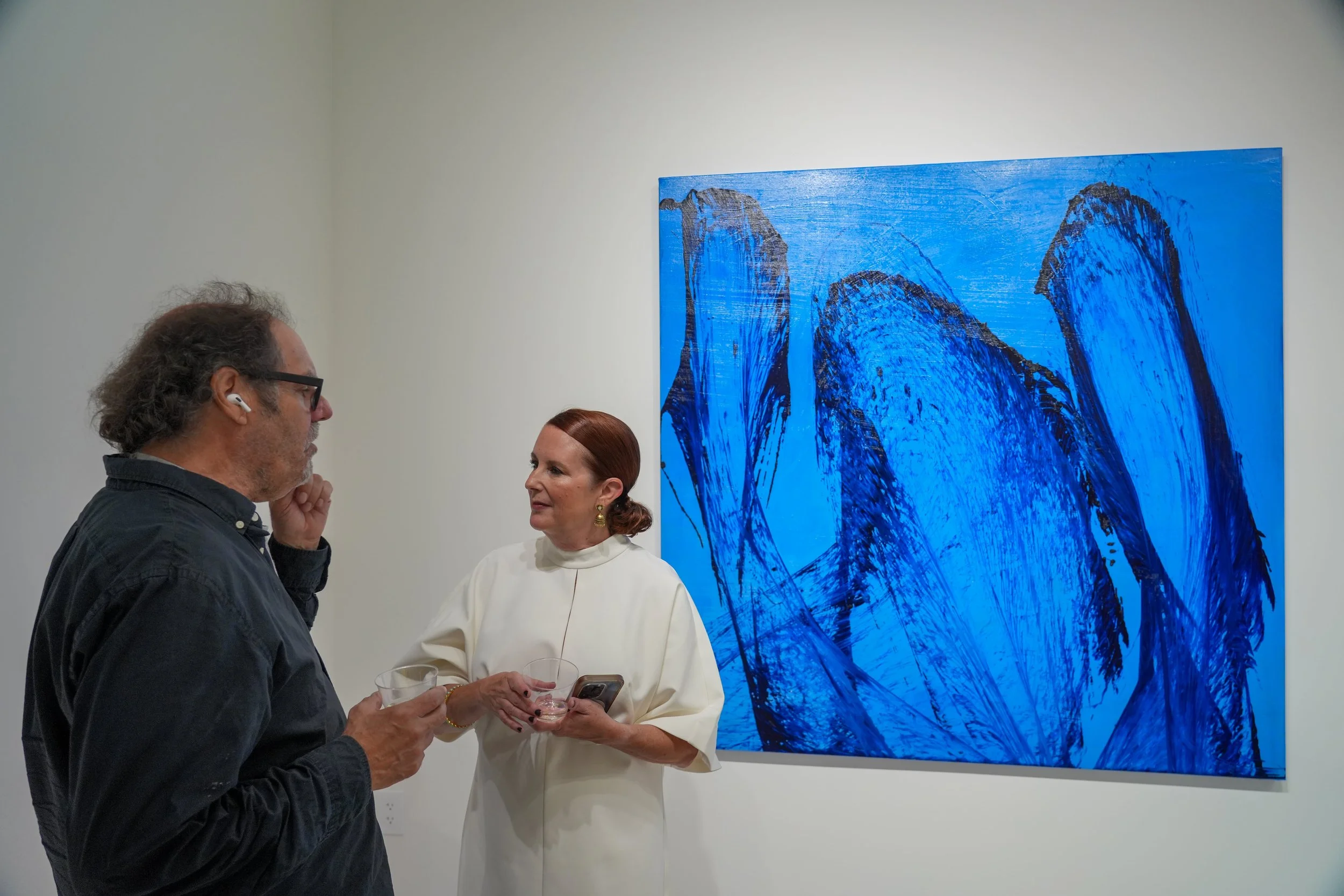
Living With Abstraction: Why Collecting Contemporary Art Changes You in 2025
The most interesting abstraction right now isn't hanging in the old capitals. It's being made at the edges — and the collectors paying attention are the ones who will have met the work before the market finished deciding what to make of it.

Why Hawk Salvage: Pop Art and the Art of Renewal
In Pop Art at Hawk Salvage, Ritu Raj brings vibrant cutouts and mixed-media works into dialogue with Phoenix’s culture of reuse. Merging Pop Art’s wit with the raw materiality of salvage, the exhibition transforms discarded symbols and objects into reflections on renewal, nostalgia, and the art of seeing the everyday anew.