
─ BODY OF WORKAbstract Inquiry
A listening-based practice. Oil and acrylic on canvas. Each work waits until it signals it is done — not when the painter decides, but when the painting itself becomes still.
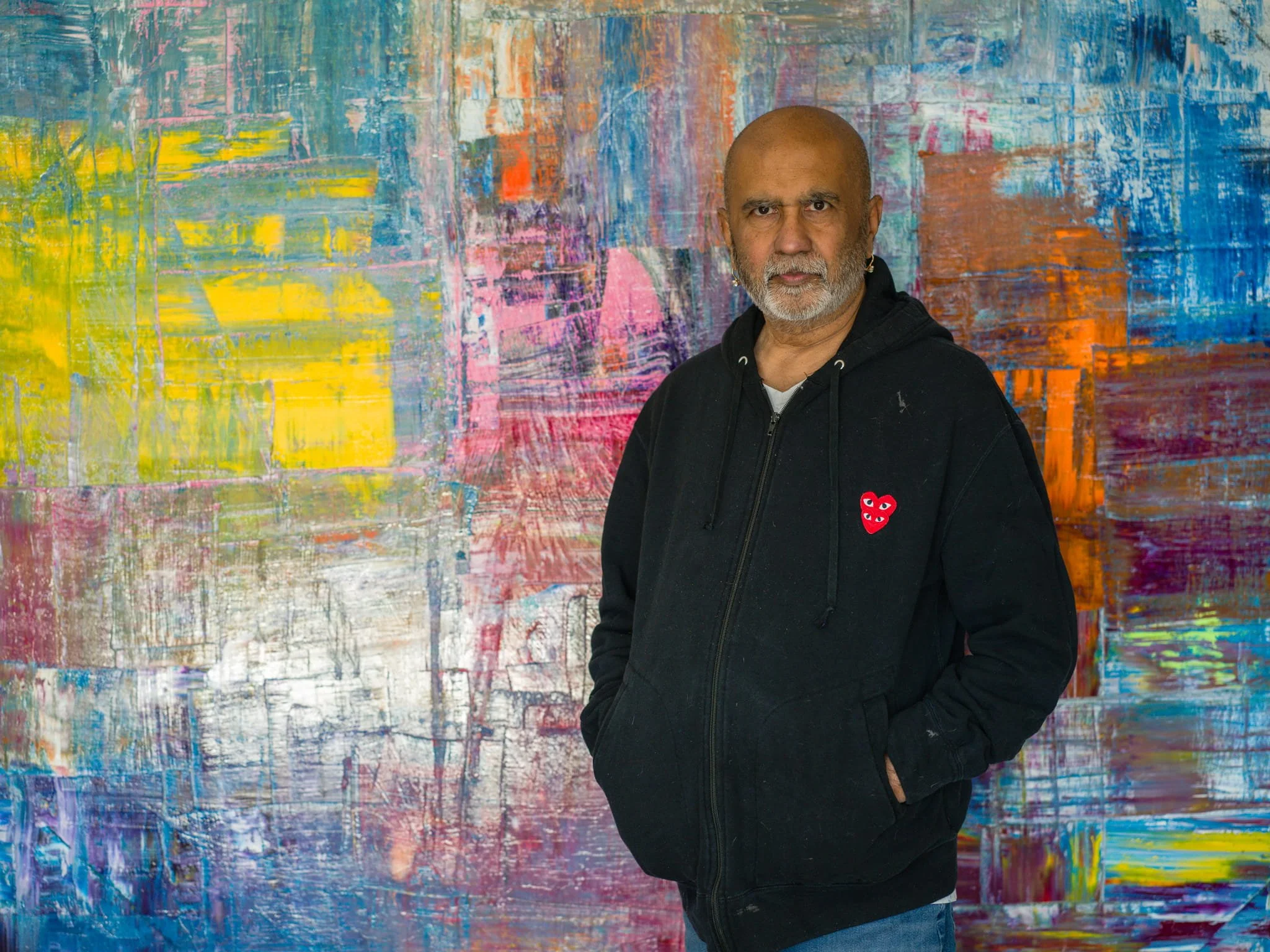
─ The PhilosophyNot expression.
Attention.
Abstract Inquiry begins before the first mark. It begins in silence — in the studio at dawn before the light has settled, in the long pause before a brush meets canvas.
Most painting is expressive: the artist has something to say and the canvas receives it. Abstract Inquiry inverts this. The canvas leads. The painter listens. The work is not a record of what I felt — it is a record of what I noticed when I stopped trying to feel anything in particular.
“The painting signals when it is done. Not when I decide, but when the work becomes still — when adding anything more would be taking something away.”
This approach places me in the lineage of painters who understood canvas as a field of consciousness rather than a vehicle for narrative. Rothko's late works do not depict emotion — they create conditions for it. Hilma af Klint did not paint symbols — she painted states. Abstract Inquiry belongs to this tradition: work that asks the viewer to be present, not informed.
The influence of my father — K.B. Goel, one of India's preeminent art critics — runs through this practice. Growing up with Souza, Husain, and Swaminathan at the dinner table taught me that the best abstract painting is not about the painter at all. It is about the space between the work and the person standing before it. Art that listens.
─ THE PRACTICEThree disciplines.
𝄞
Listening Over Expressing
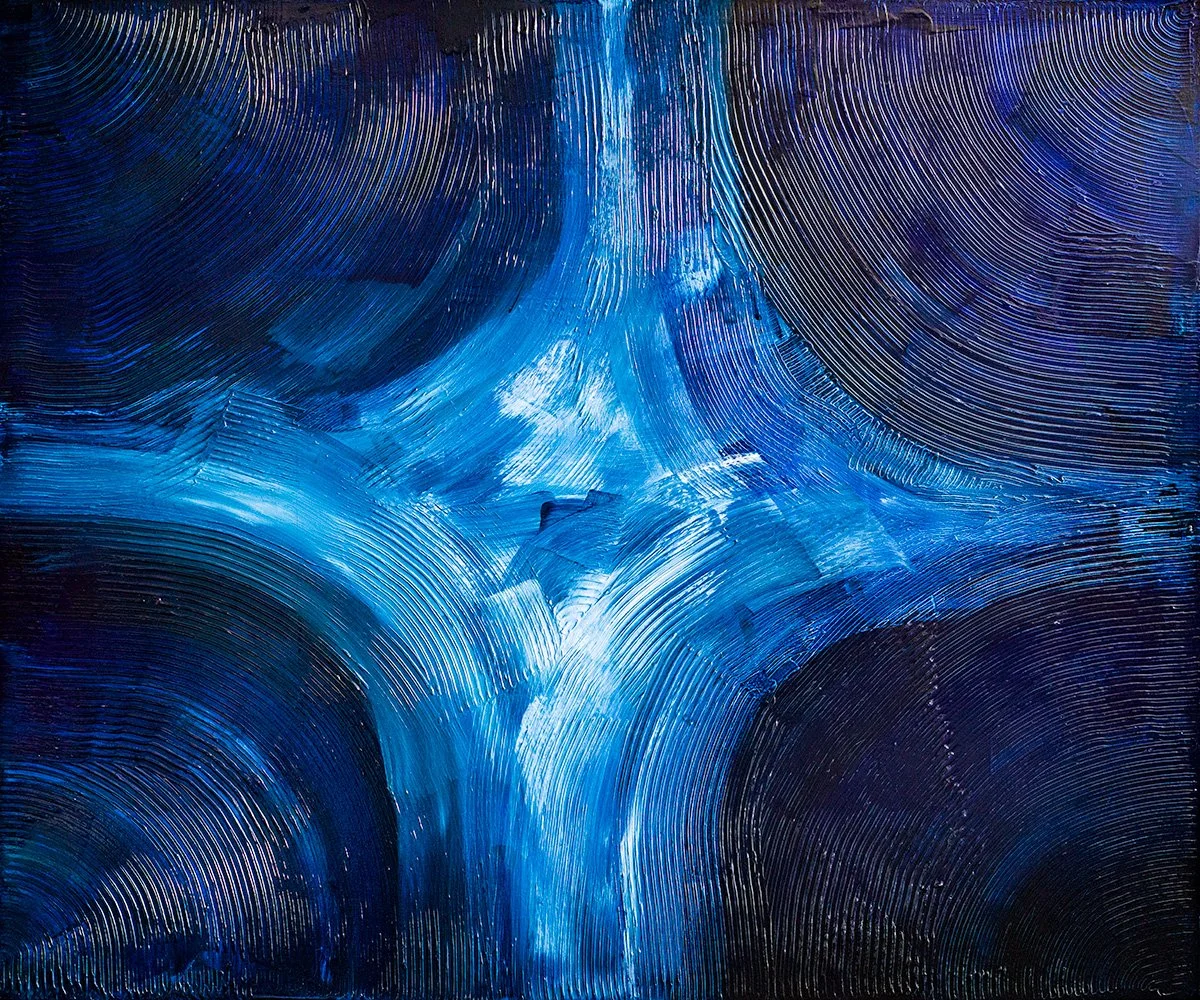
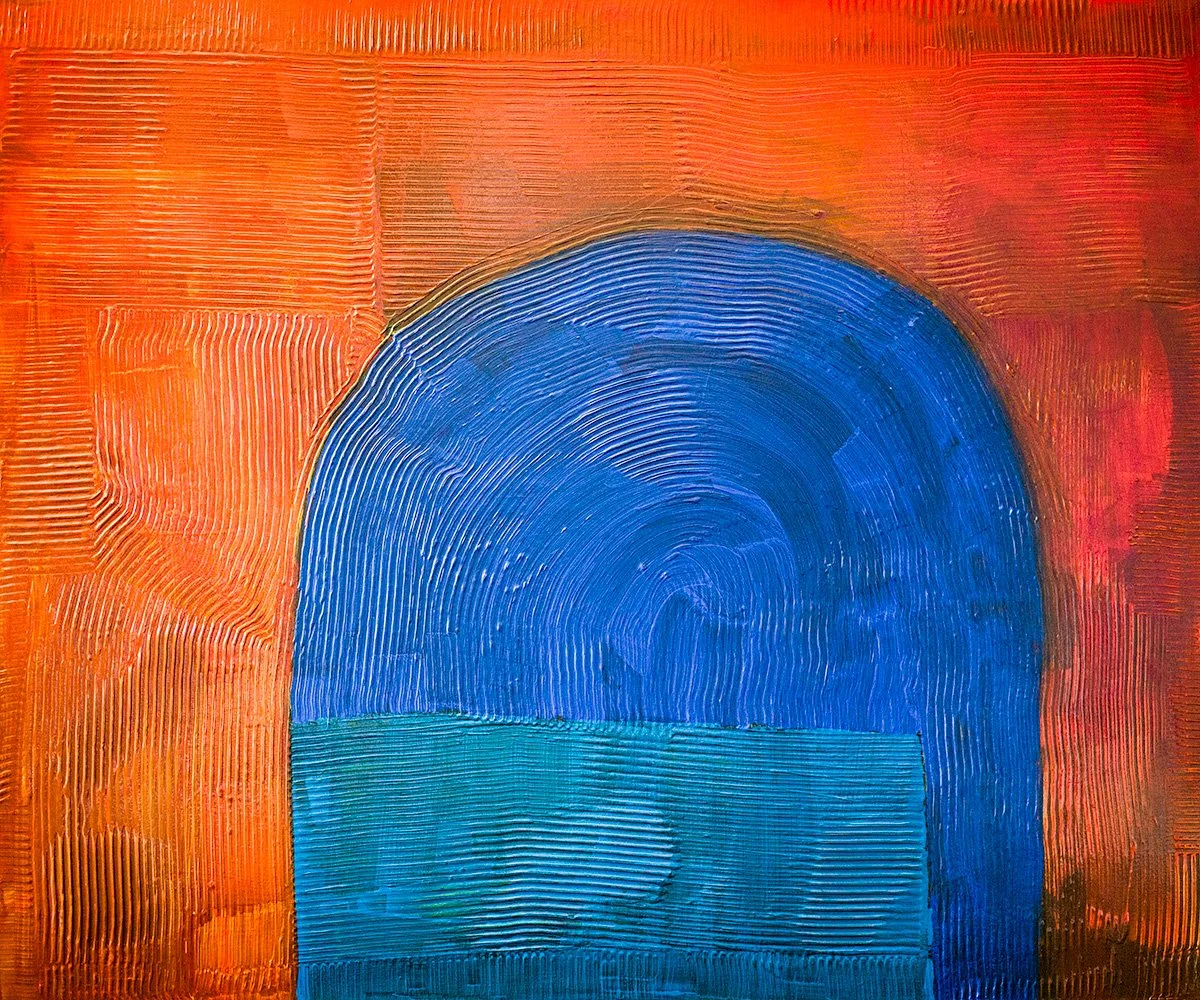
Twine or thread, soaked in oil paint, replaces the brush. Each stroke is pulled, twisted, and guided across the canvas, leaving flowing, multidimensional trails.
©
The Viewer Completes the Work
Abstract Inquiry paintings are unresolved by design. They hold an opening — a visual tension that requires the presence of another consciousness to close. You are not a spectator. You are a participant.
↔
The Work Signals Completion
A painting in this series is not finished when I decide it is — it is finished when the work becomes quiet. That stillness is unmistakable, and always arrives later than expected.
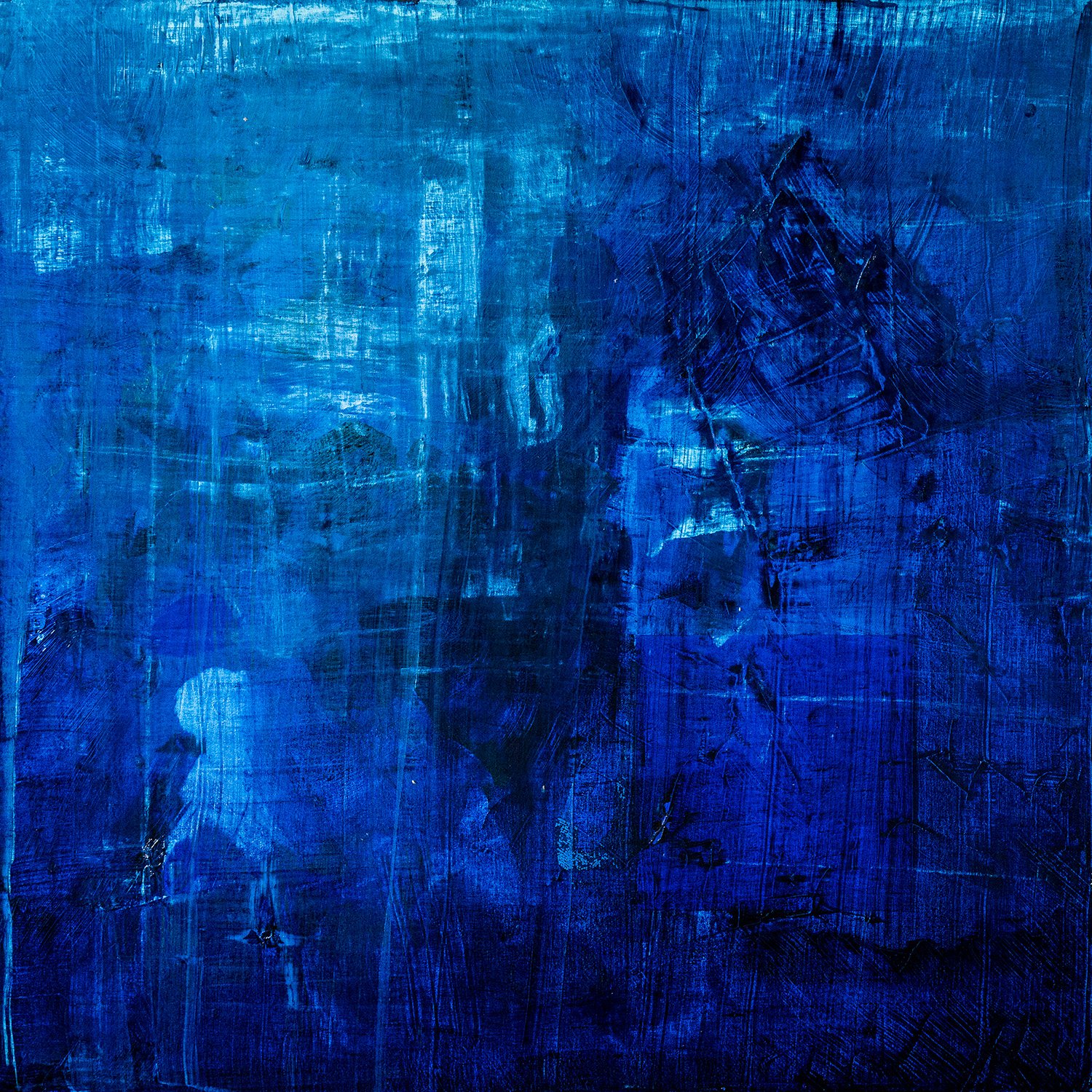
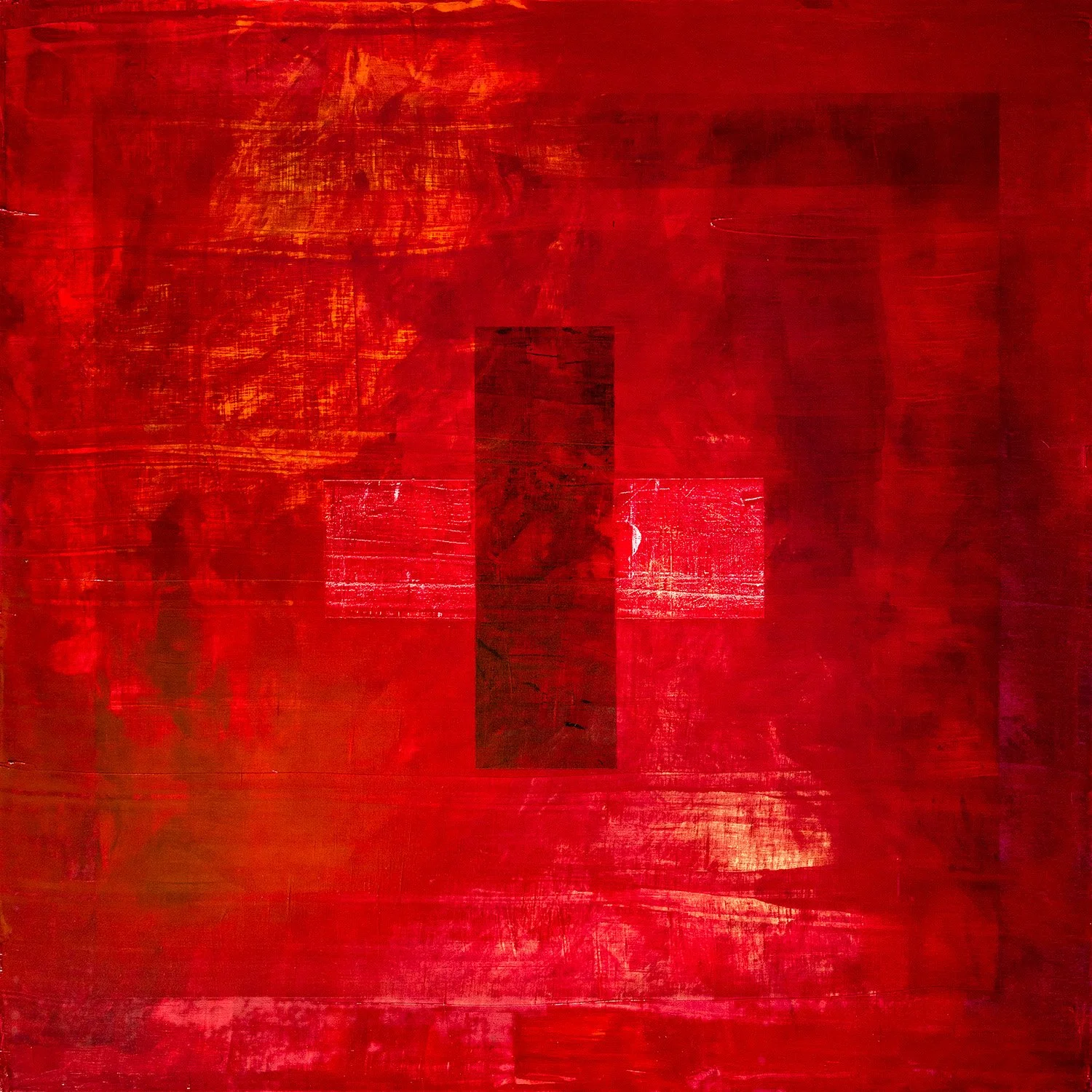
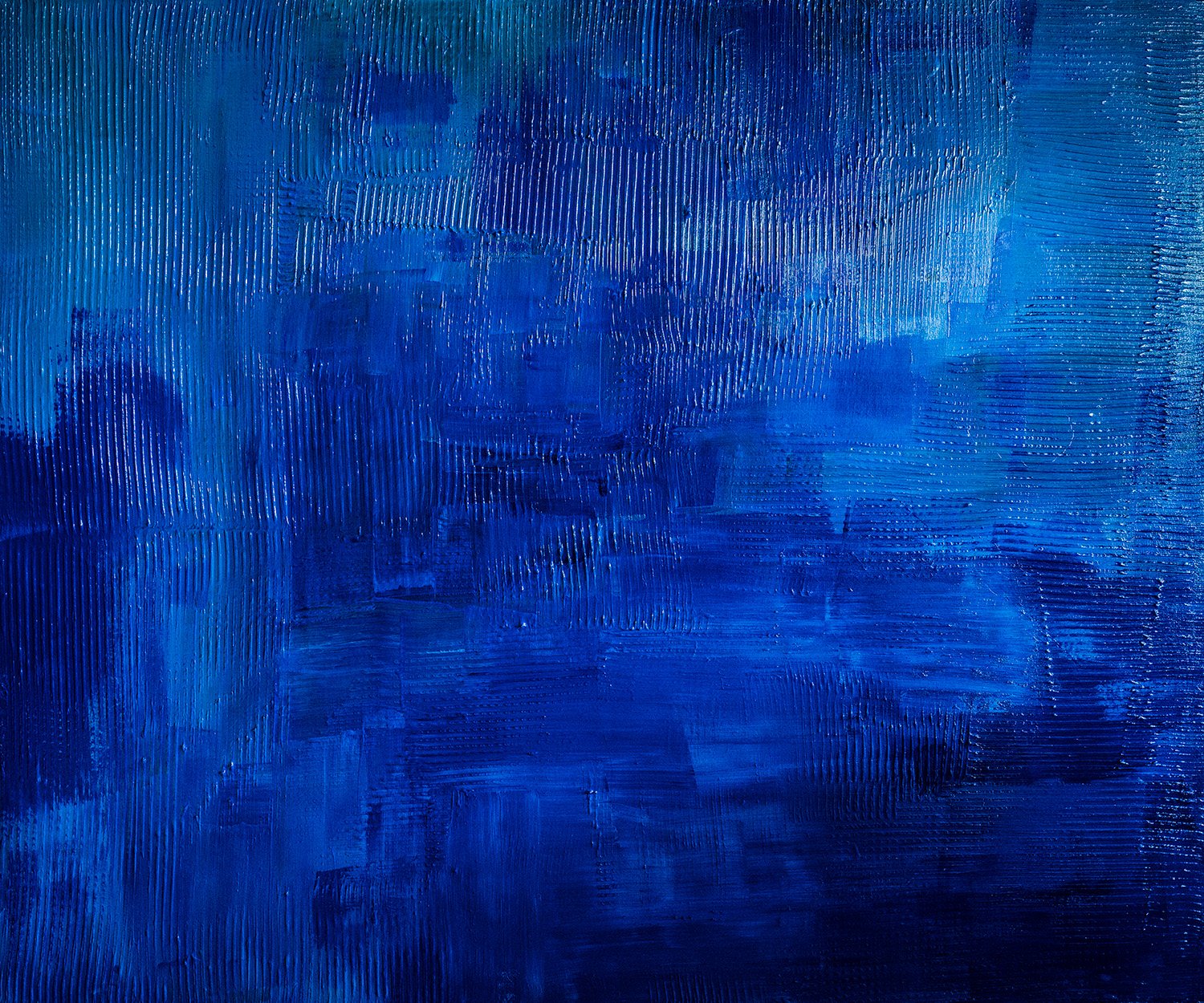
─ THE COLLECTIONSelected Works
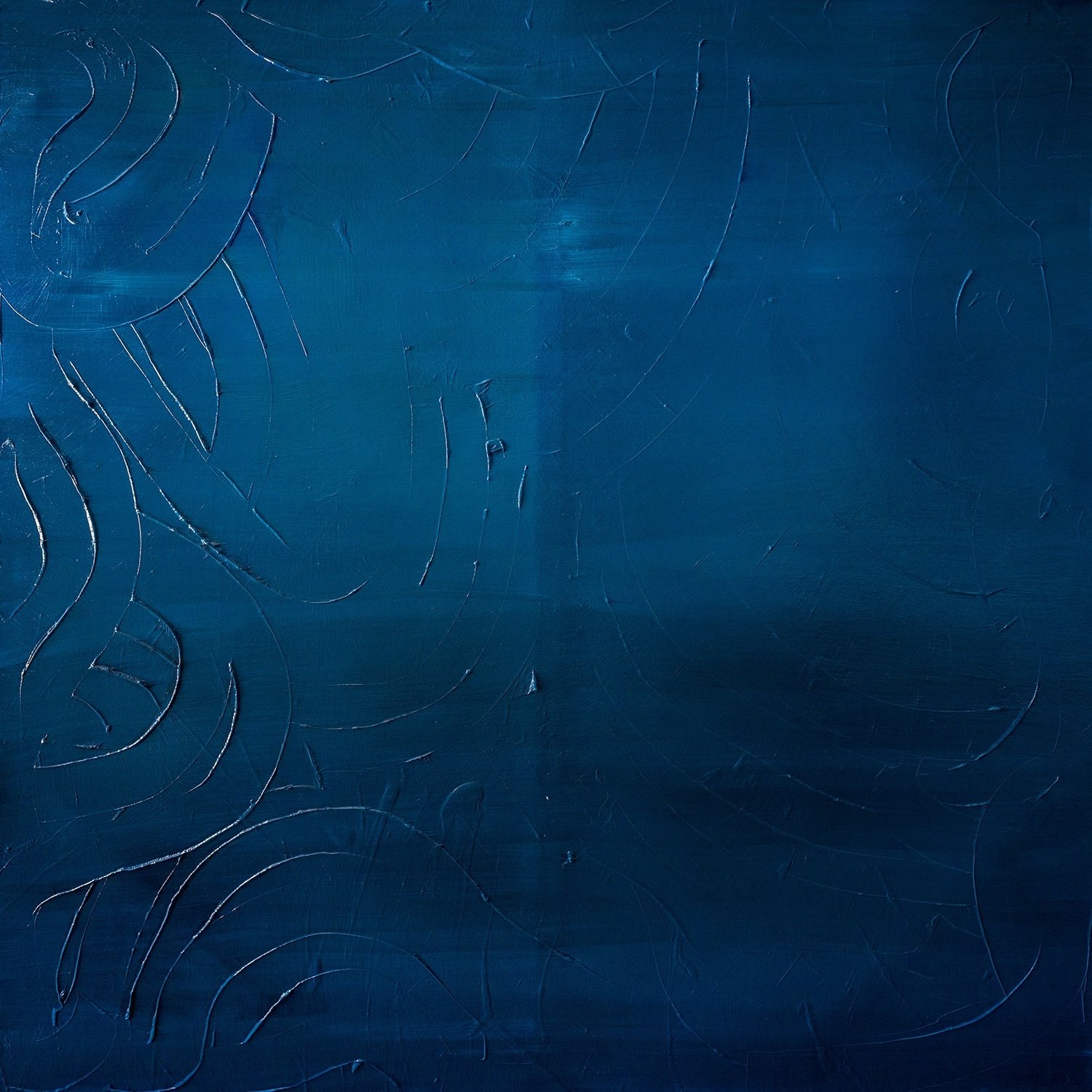
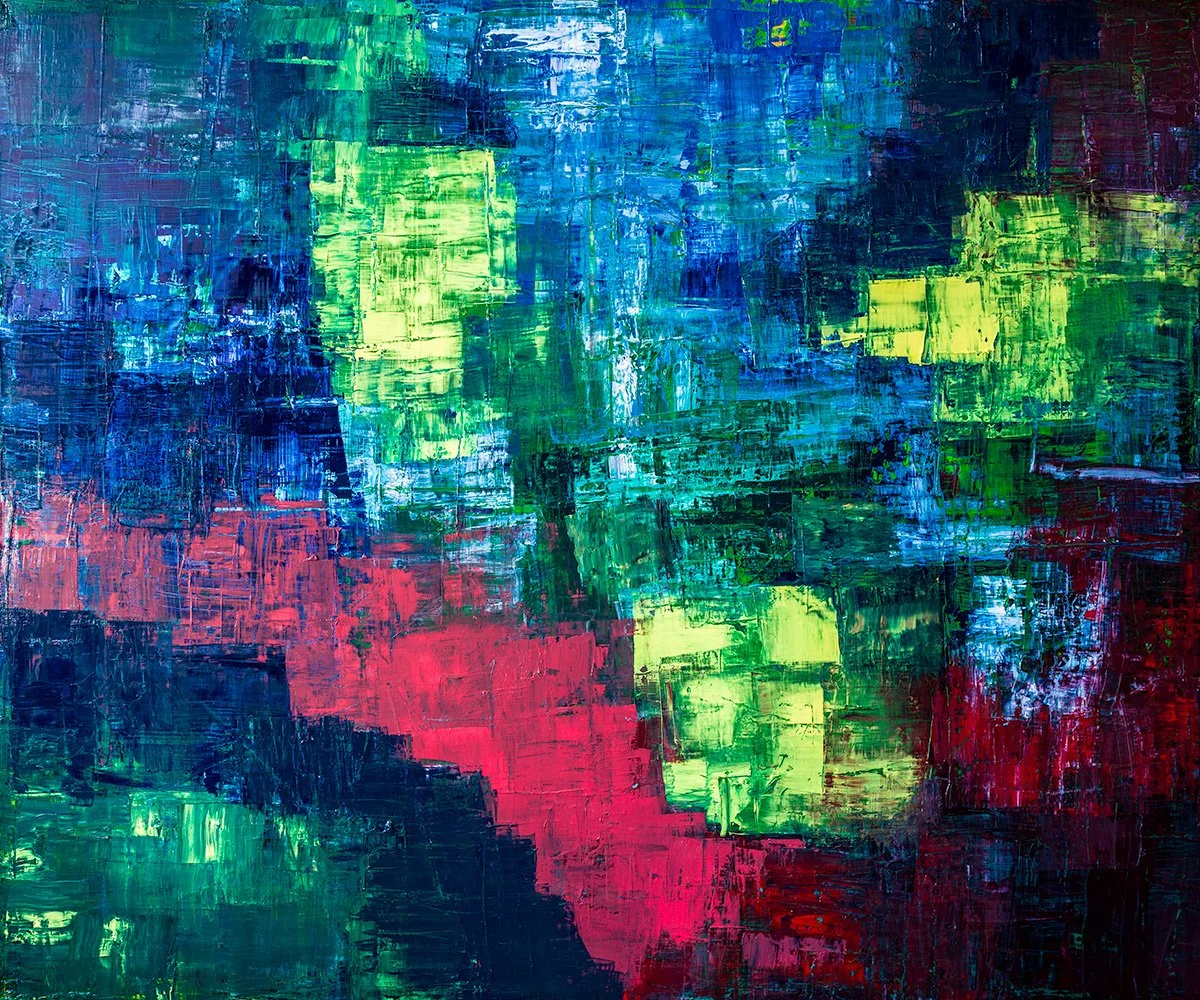
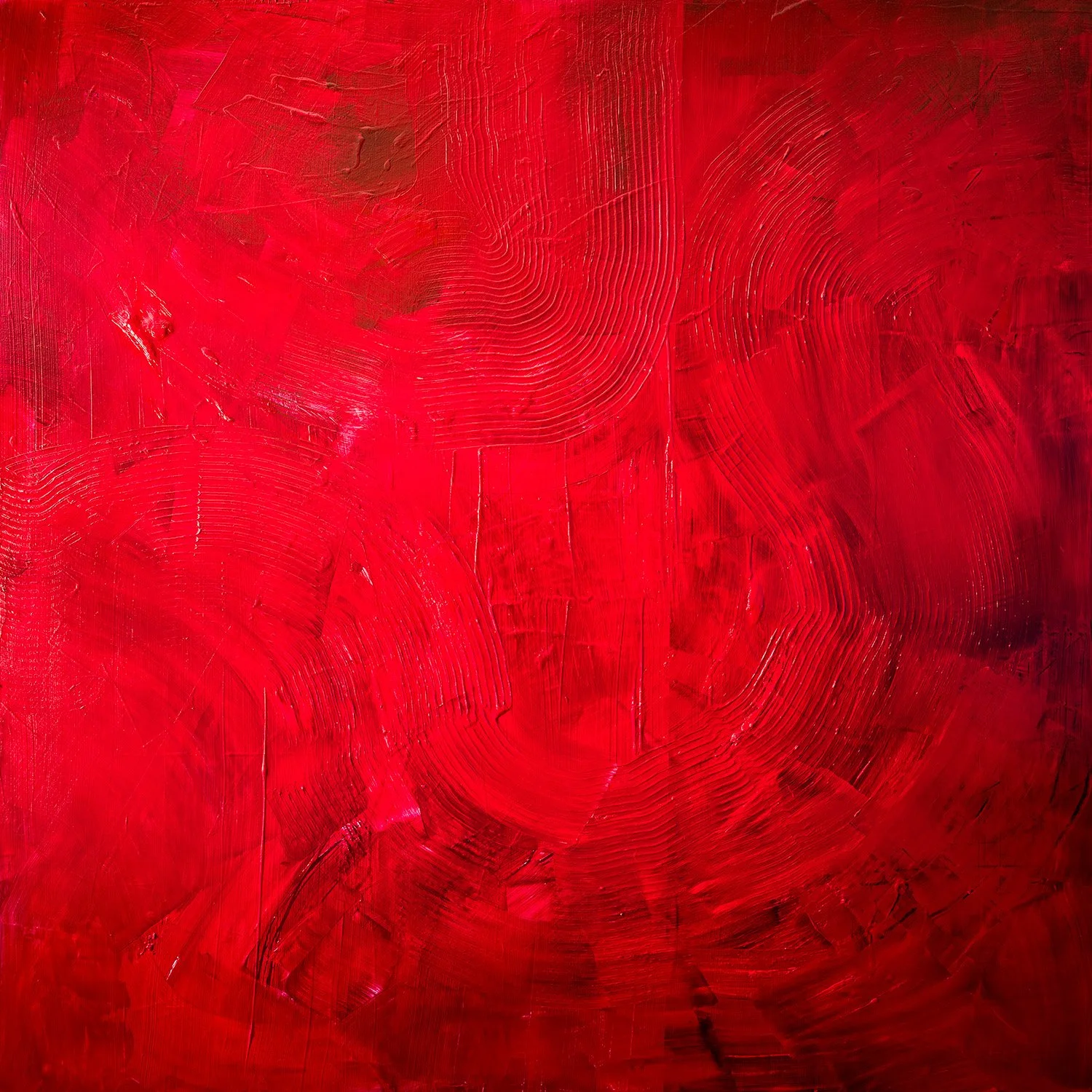
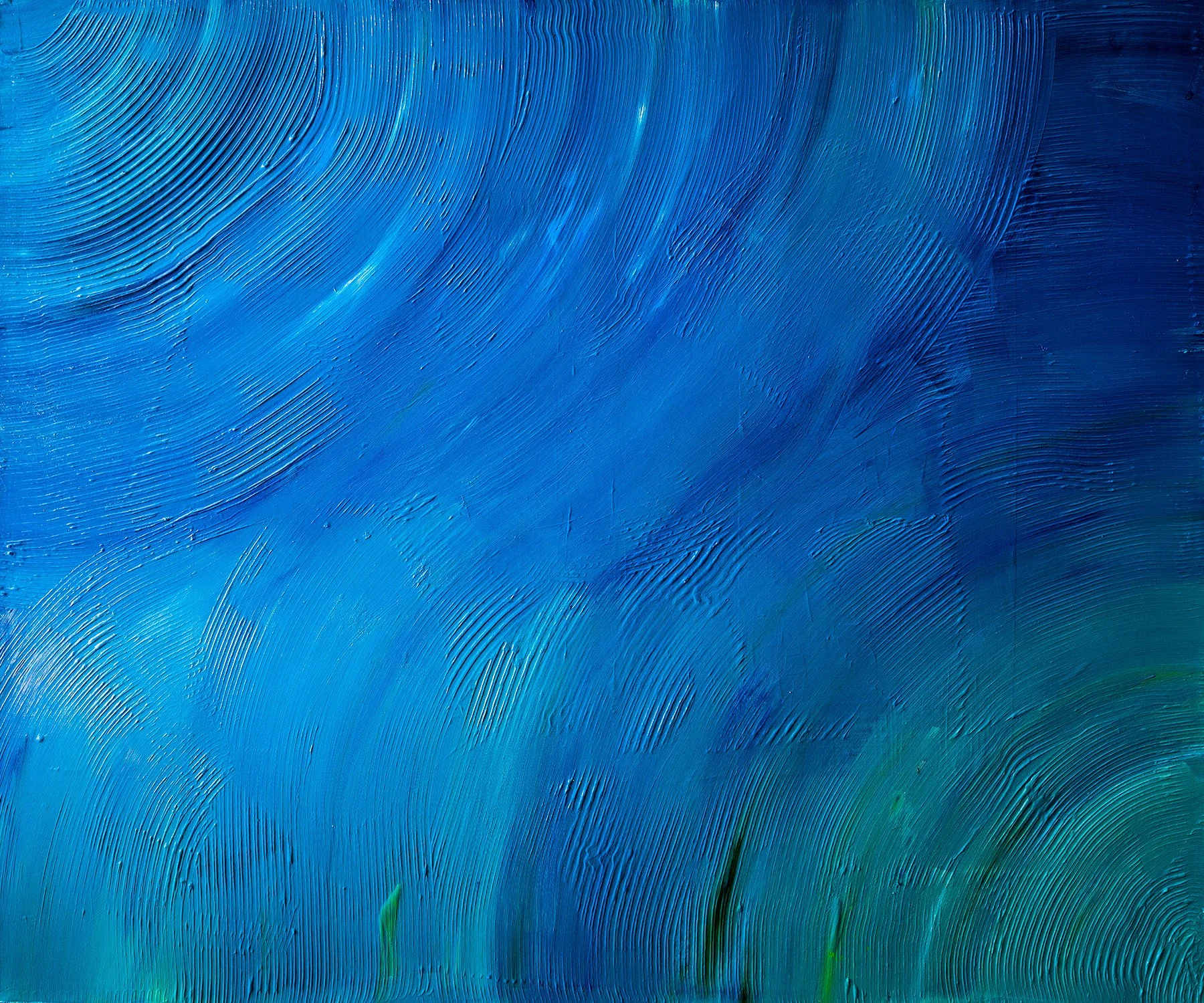
Oil and acrylic on canvas. Each work from the Abstract Inquiry series is available for collector acquisition. Sizes range from 3 × 3 ft to 6 × 6 ft.
─ LineageThe painters who listened.
Abstract Inquiry does not emerge from nowhere. It belongs to a tradition of painters who understood the canvas as a field of consciousness — and who trusted that presence, not technique, is the primary instrument.
Influential Abstract Artists and Visions
Mark Rothko
The late works do not depict feeling — they create the conditions for it. Color as atmosphere, not symbol.
Hilma af Klint
Painted states of consciousness before the language existed for them. The most advanced abstract painter of the early century.
Clyfford Still
Jagged fields of color that refuse resolution. Work that holds its tension without releasing the eye.
Piet Mondrian
The grid as spiritual inquiry. Reduction as a form of listening — until only what is essential remains.
F.N. Souza
Encountered through my father’s criticism. Raw, urgent, unafraid. The permission to be serious without being decorative.
M.F. Husain
India’s modernist anchor. A painter who understood that abstraction and narrative are not opposites — they are different registers of the same attention.
─ The STUDIOHow a painting arrives.
Abstract Inquiry is not a planned practice. It is a prepared one. The conditions matter as much as the marks.
01
The Studio at Dawn
Sessions begin before language — before the thinking mind has fully assembled itself. The first hour in the studio is spent in stillness, studying the canvas without touching it. What does it need? What is already there, waiting?
02
The First Mark
Oil or acrylic, depending on what the canvas asks for. The first mark is always provisional — a question, not a statement. The painting responds. The session becomes a conversation between two kinds of intelligence: the hand and the surface.
03
Waiting for Stillness
A painting from Abstract Inquiry can take days, weeks, or months. There is no target completion date. The work signals when it is done — a quiet that descends over the canvas, a feeling that adding anything more would be taking something away.
Abstract InquiryThe painter listens. The canvas leads.
Oil and acrylic on canvas. Sessions begin in stillness. The work is done when the painting becomes quiet — not when the painter decides.
Listening-based practice
Work signals its own completion
Viewer as active participant
Influences: Rothko, af Klint, Still
Medium: Oil & Acrylic on Canvas
ORGANIC MOVEMENTThread releases to gravity. Paint follows.
The signature technique — thread dipped in pigment, pulled across wet canvas. Gravity, viscosity, and friction become co-authors of the work.
Process-based practice
Physical logic of thread and paint
Forms no hand could have drawn
Influences: Pollock, Sam Francis
Medium: Oil on Canvas & Thread
─ FROM THE JOURNALWriting on attention.
First access. Studio notes. Private sales.
New work from Abstract Inquiry is released to the Collectors List before it appears anywhere else. Process notes, studio updates, and private access — the long game.