
The Taxonomy of Abstraction
Nine dimensions.
Eighteen paintings.
Six dimensions read the painting. Three read the encounter.
I built this to explain the Taxonomy to other people. It did something else first. It changed how I look.
Before, I could stand in front of a canvas and know that I liked it. That was the whole report. Liking is real but it is not sight, and it cannot be handed to anyone. What the exercise forced was slower: to take a work I already loved and ask which axis it was actually sitting on. Whether the edge held or gave up. Whether the surface returned the light or drank it. Whether the thing came to meet me or opened backward and let me go.
Each dimension below is shown twice, at both ends of its own axis. The pairs are the argument. Nothing here explains a painting. The point is to describe one honestly, and then stop at the place where description runs out.
Six read the painting
Abstraction Quotient
the keystoneHow far the work has left representation behind.
Not a measure of quality. Not a ladder. A position, not a rank.
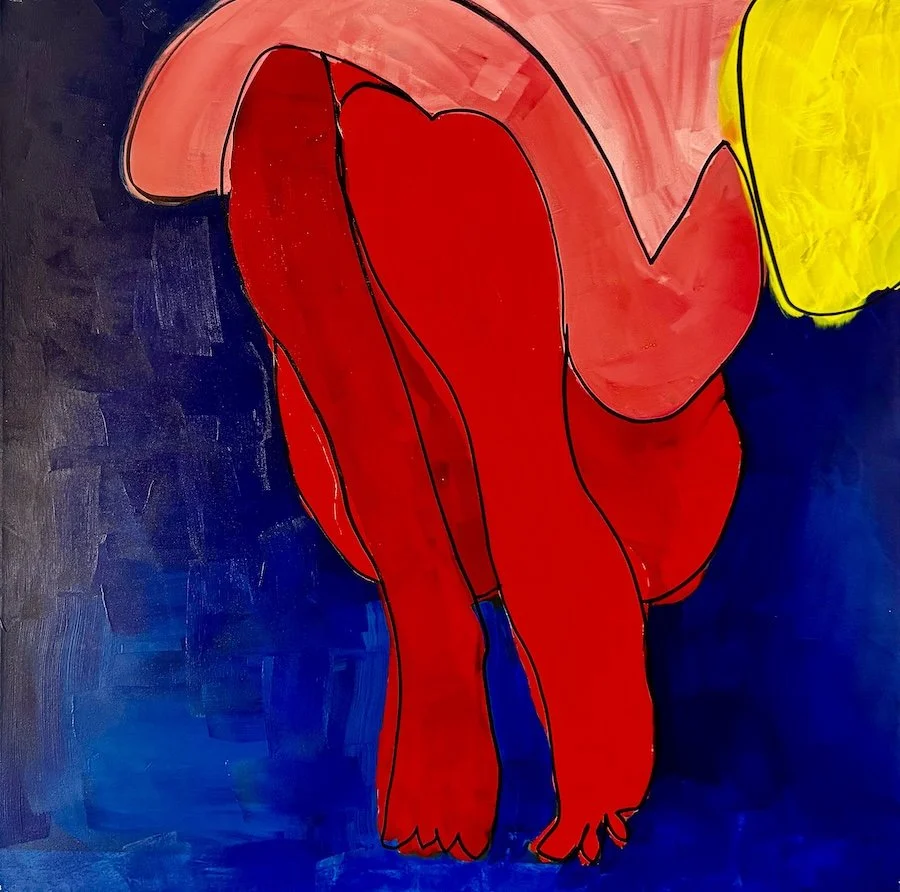
Low
No clear face here, only the trace of having been witnessed.
Oil on Canvas · 4 × 4 ft · 2024
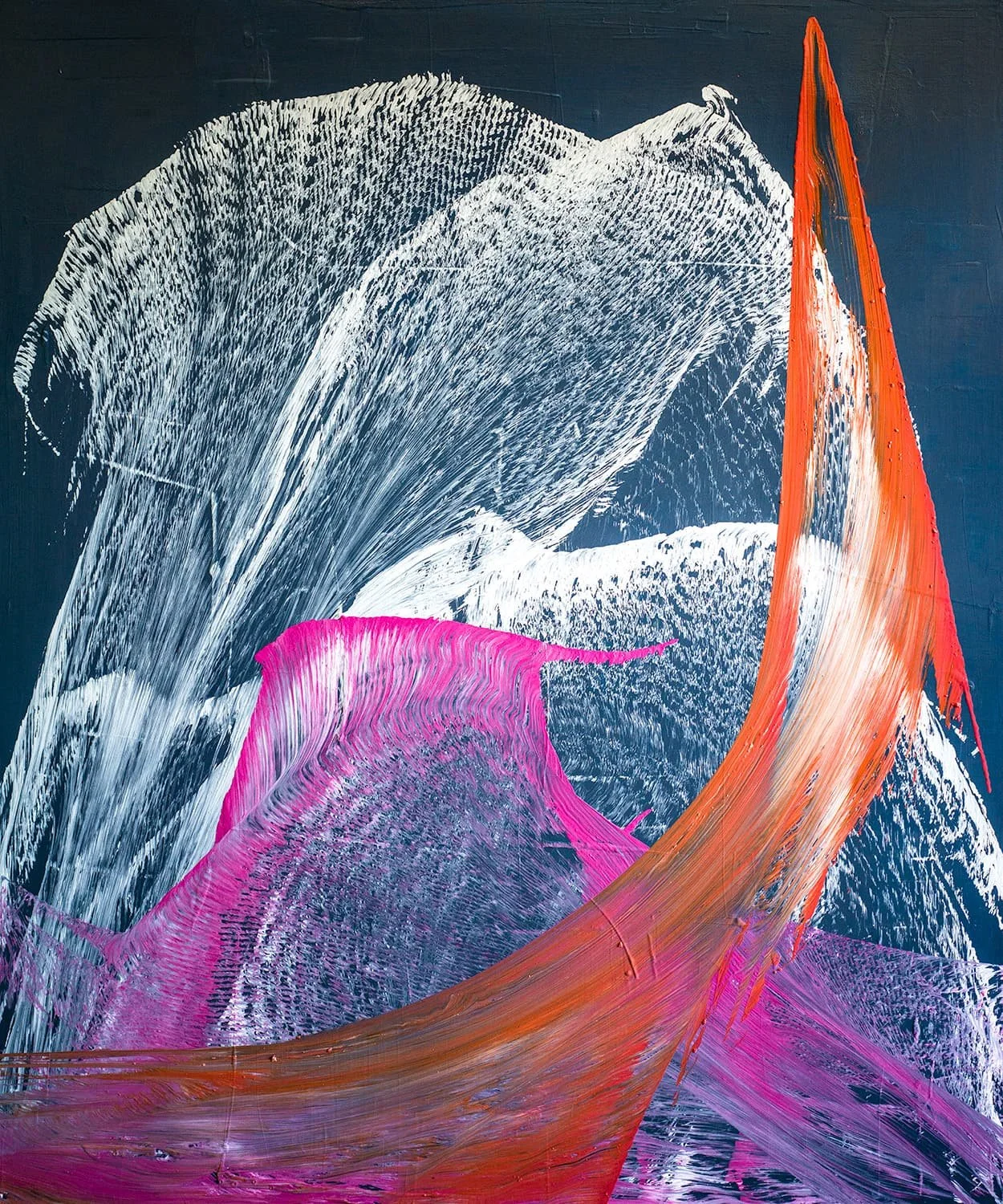
High
Nothing here has a name. The eye keeps reaching and comes back with nothing in its hand.
Acrylic on Canvas with thread · 6 × 5 ft · 2025
What is the last thing you can still name?
Form
the edgeWhether shape holds its edge, or gives it up.
Not arrangement. Where the shapes sit is placement. Form is whether they are shapes at all.
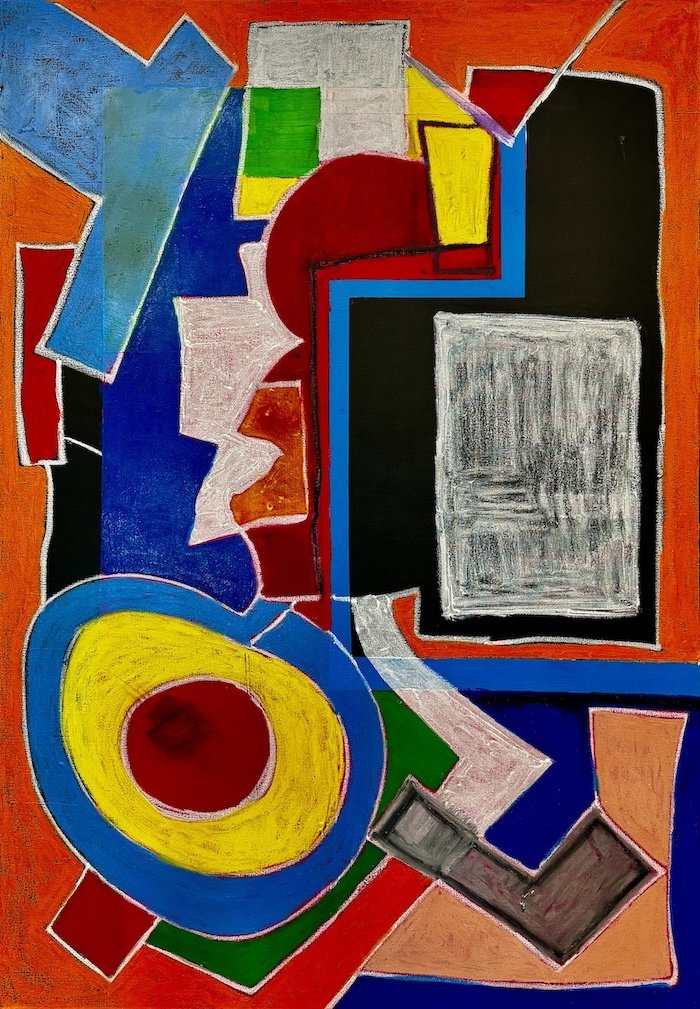
Bounded
The edge holds. Everything inside it agrees to be a thing.
Oil on Canvas · 6 × 4 ft · 2024
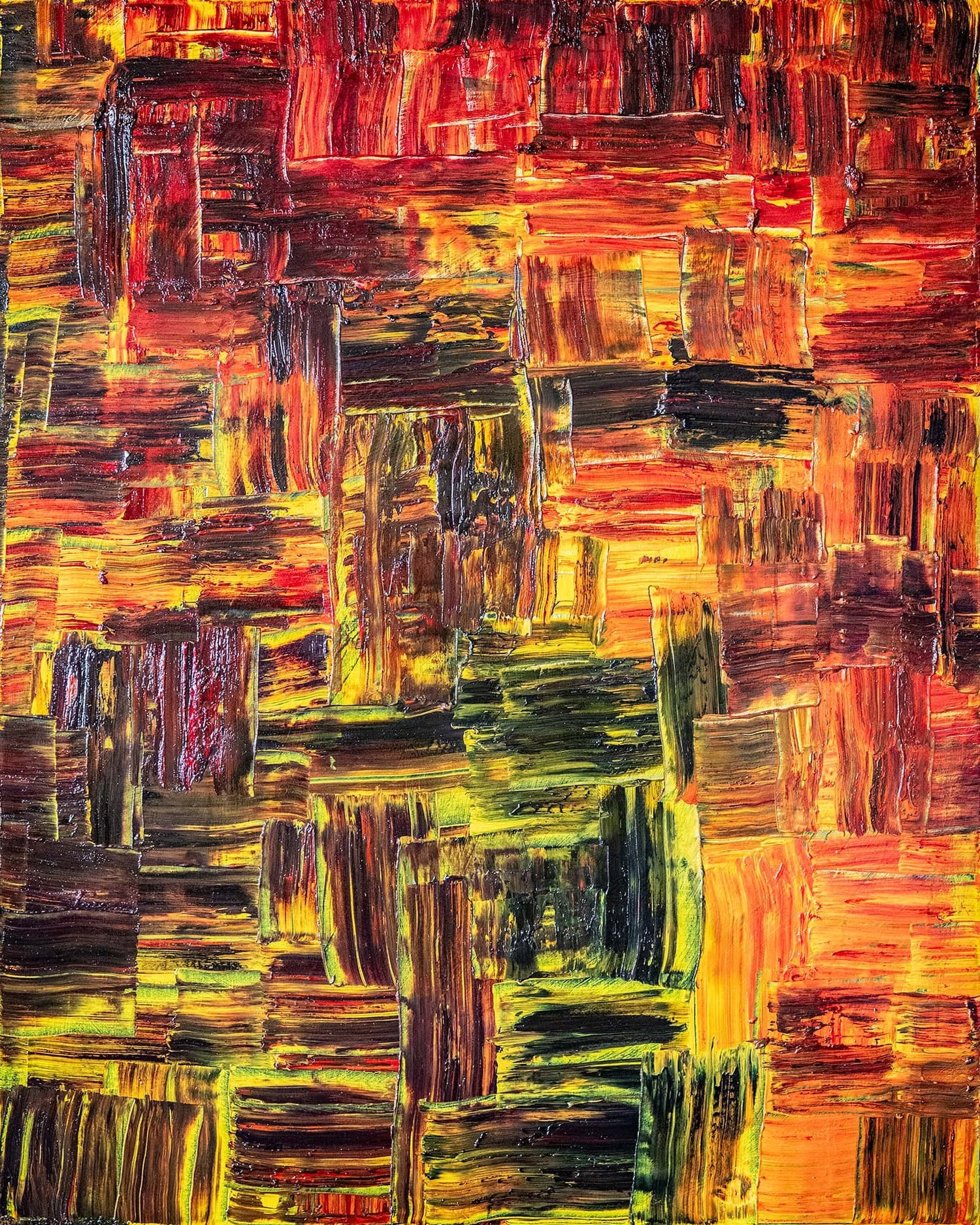
Dissolved
Nothing here consents to an outline. The shape is a weather, not a claim.
Oil on Canvas · 5 × 4 ft · 2026
Does the shape end, or does it dissolve?

Texture
the surfaceWhat the surface does to the light that falls on it.
Not medium. Oil is not a texture. What the oil was asked to do is.
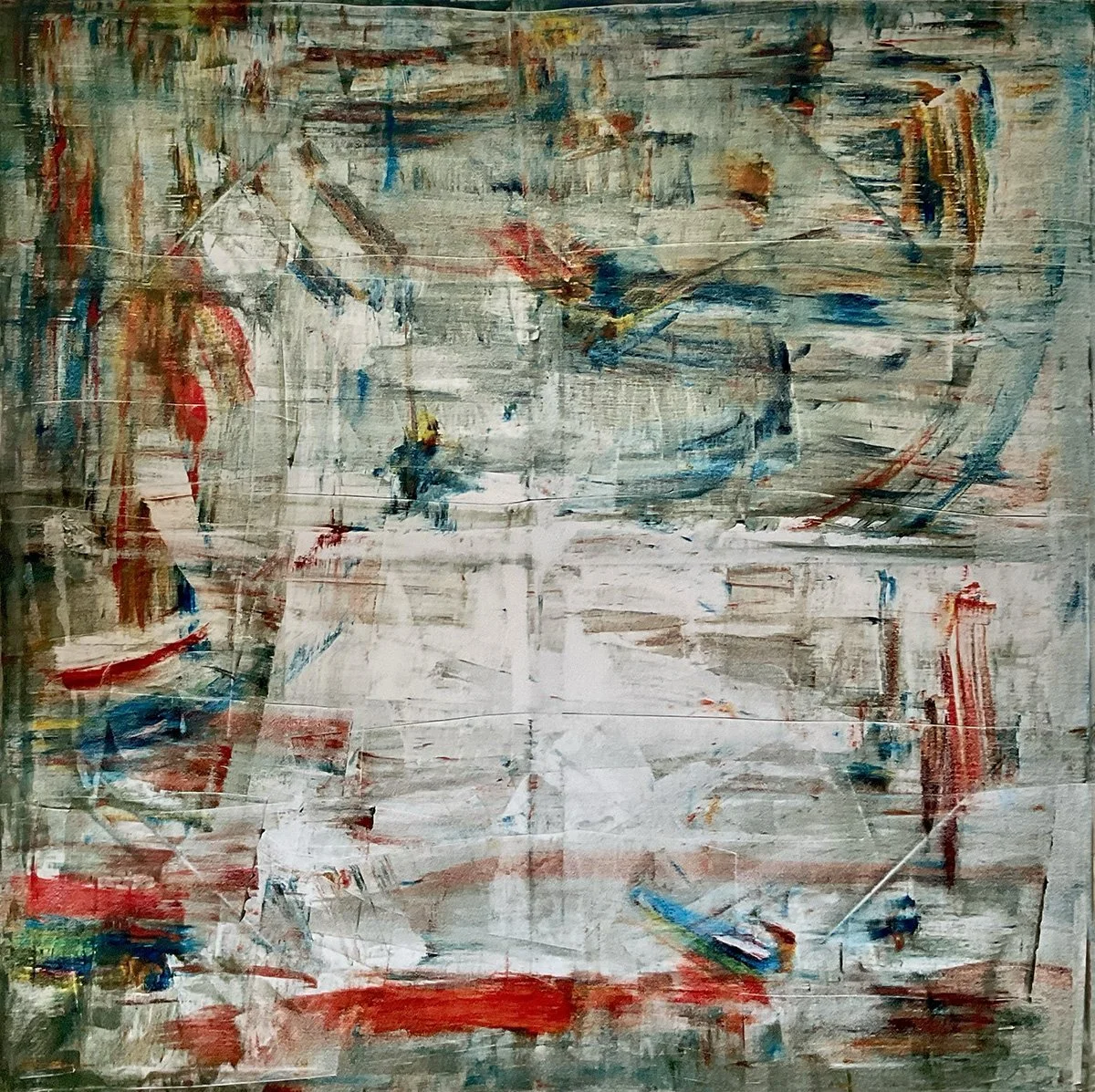
Swallows light
The light goes in and does not come back.
Acrylic on Canvas · 4 × 4 ft · 2020
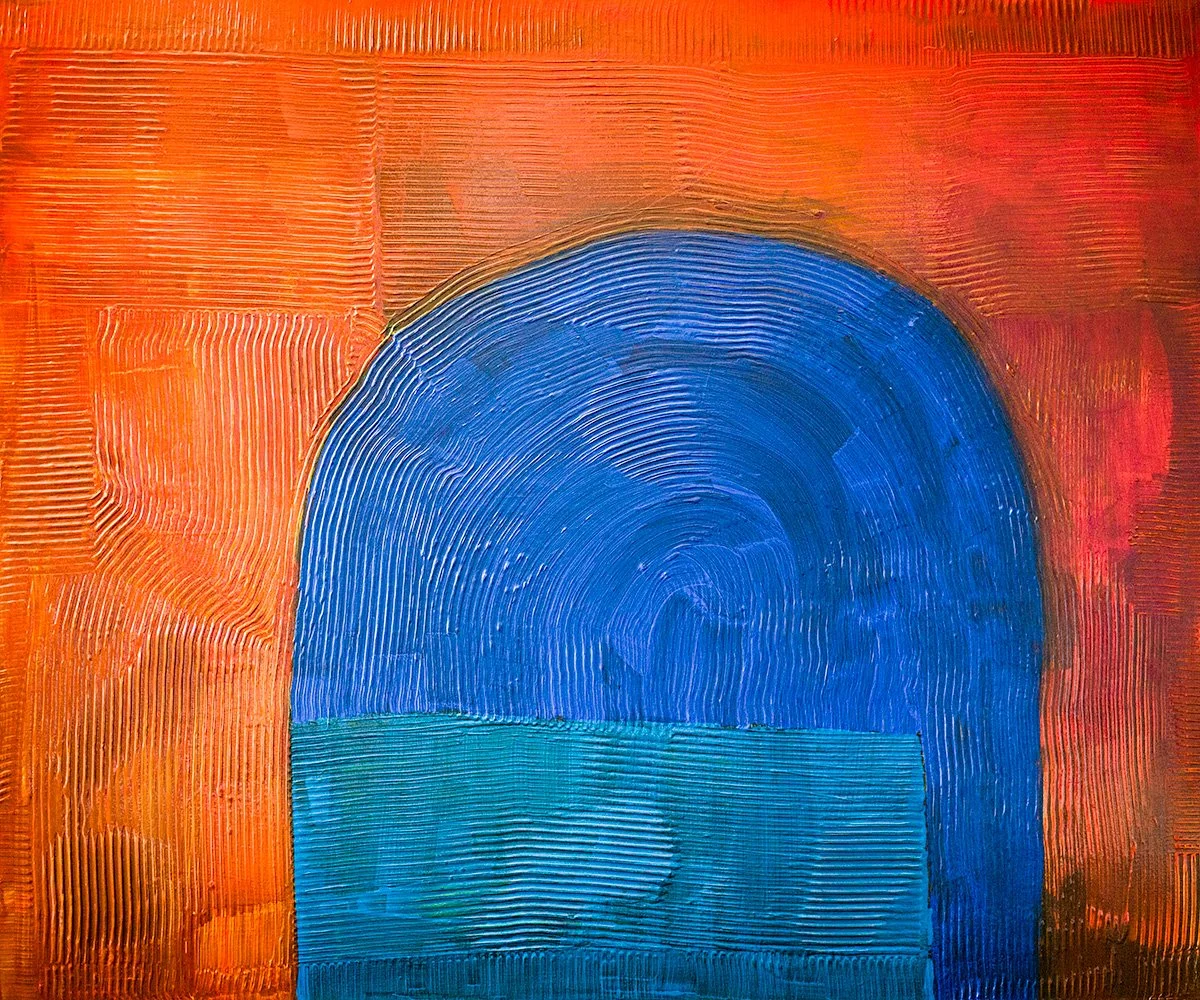
Catches light
Every ridge is a small argument with the lamp above it.
Acrylic on Canvas · 6 × 5 ft · 2026
Would your hand know this painting with your eyes closed?
Color Range
the distanceThe distance between the painting's two furthest colors.
Not Palette. Palette is which colors. Range is how far apart they stand. Two paintings can share a palette and have opposite ranges.
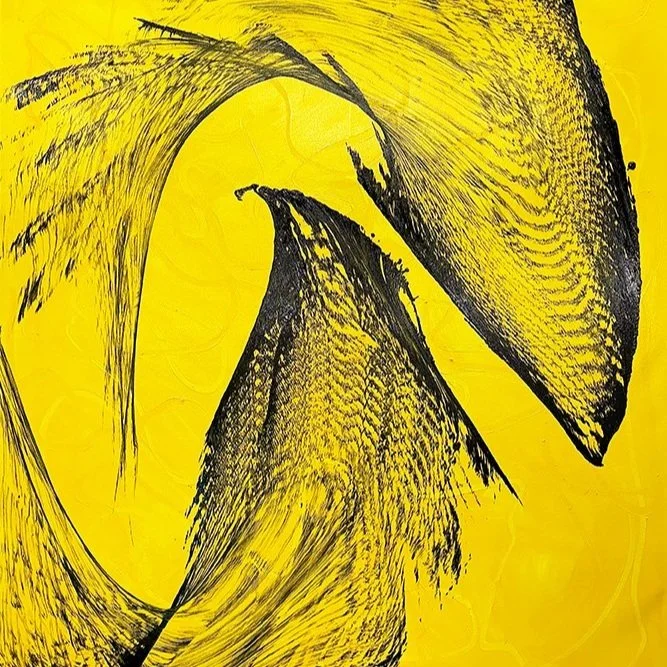
Narrow
It never leaves the room it was born in. Listen for the quarter-tones.
Acrylic on Canvas with thread · 6 × 5 ft · 2024
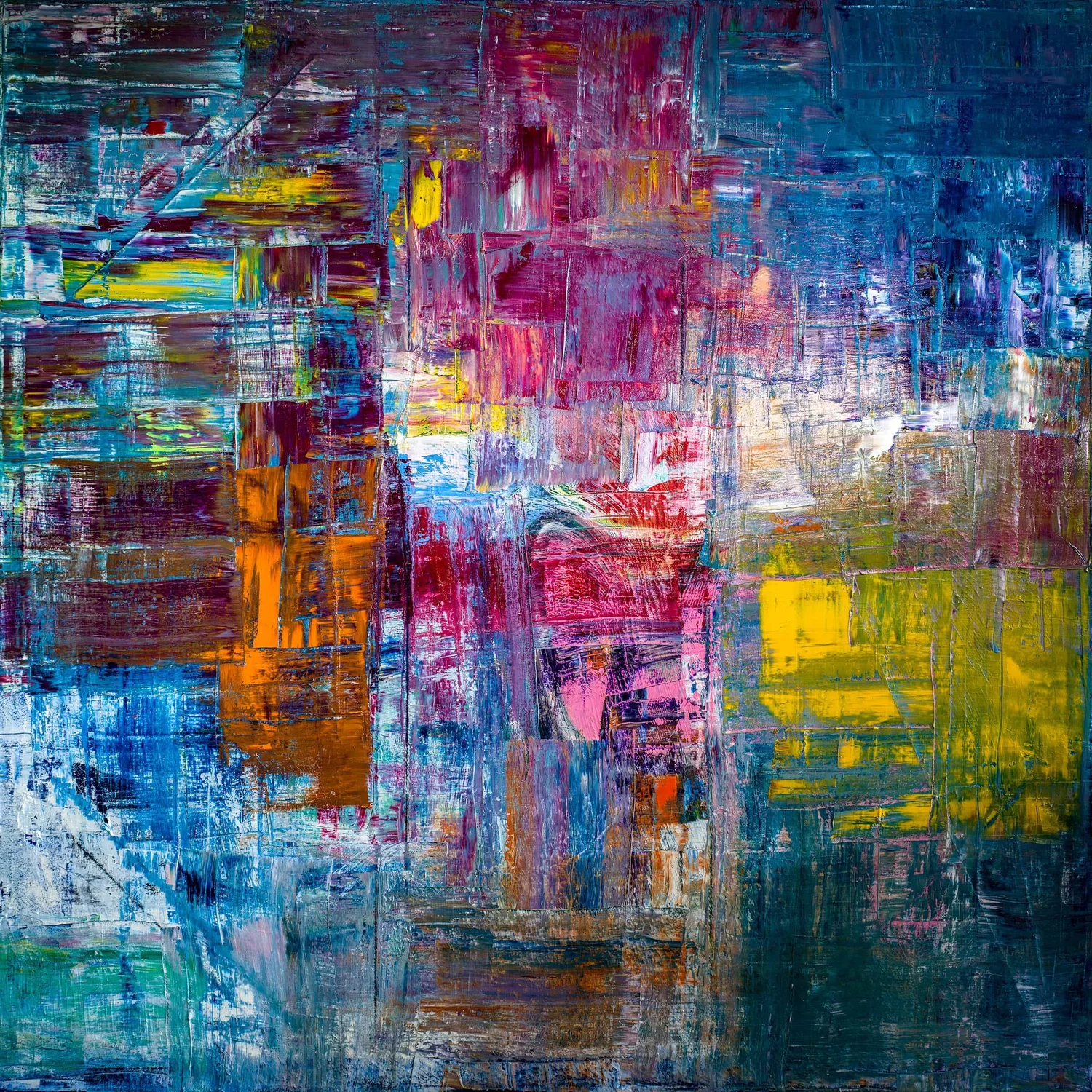
Wide
From one end of itself to the other is a long way, and the painting makes you walk it.
Oil on Canvas · 6 × 6 ft · 2026
How far must the painting travel to get from one end of itself to the other?

Palette
the factWhich colors are actually present. Named, not felt.
Not mood. Blue is not sadness. A palette is a fact. Mood is a consequence, and not a reliable one.
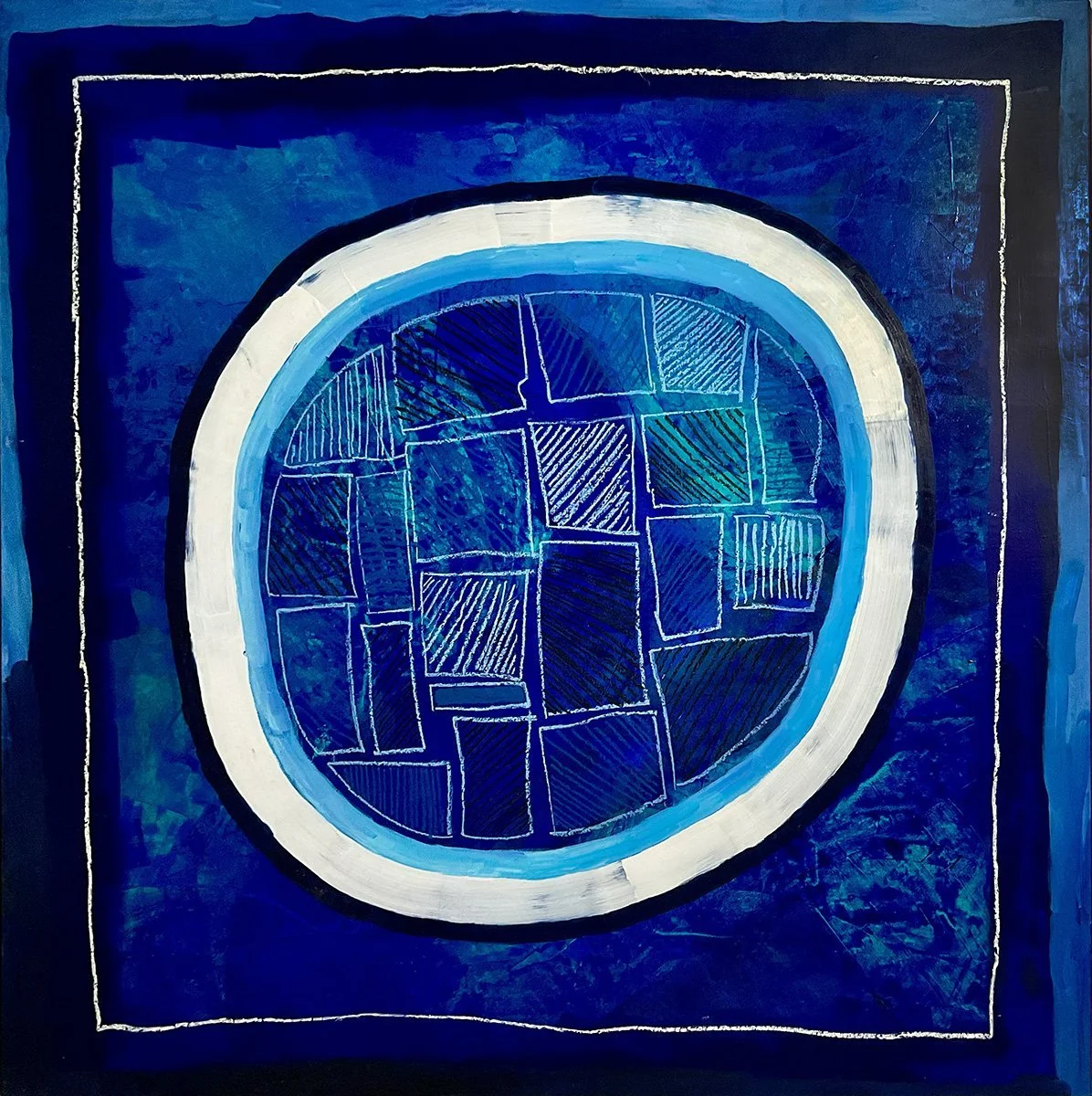
Same palette
Cobalt, bone, near-black.
Acrylic on Canvas · 7.5 × 7.5 ft · 2022
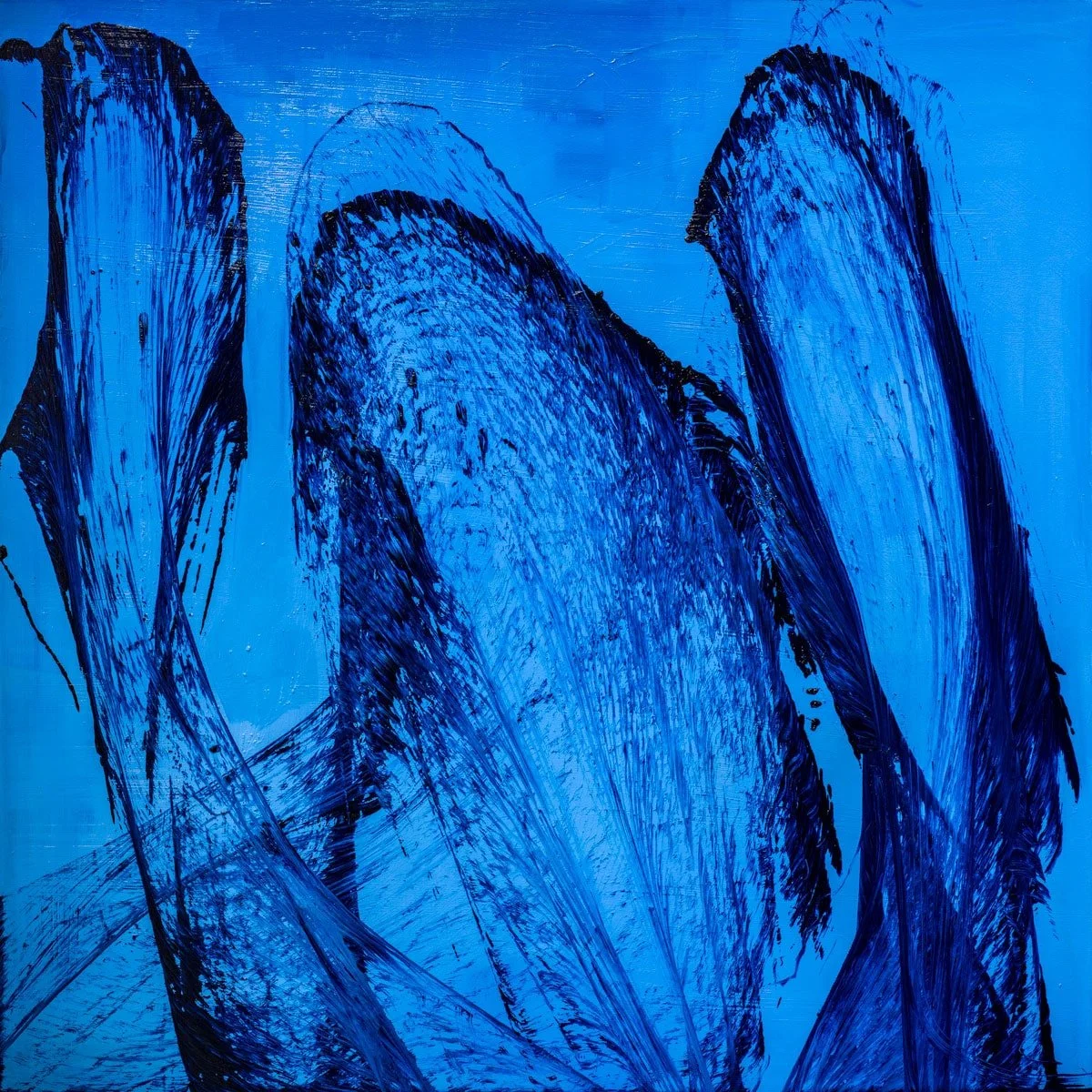
Same palette
Cobalt, bone, near-black. Nothing else survives the comparison.
Acrylic on Canvas with thread · 5 × 5 ft · 2025
If you named every color aloud, would you have described the painting?
Mood
the weatherThe register the work sits in before you have had a thought about it.
Not feeling. Mood is in the object. Feeling is in you. The taxonomy stops at the first.
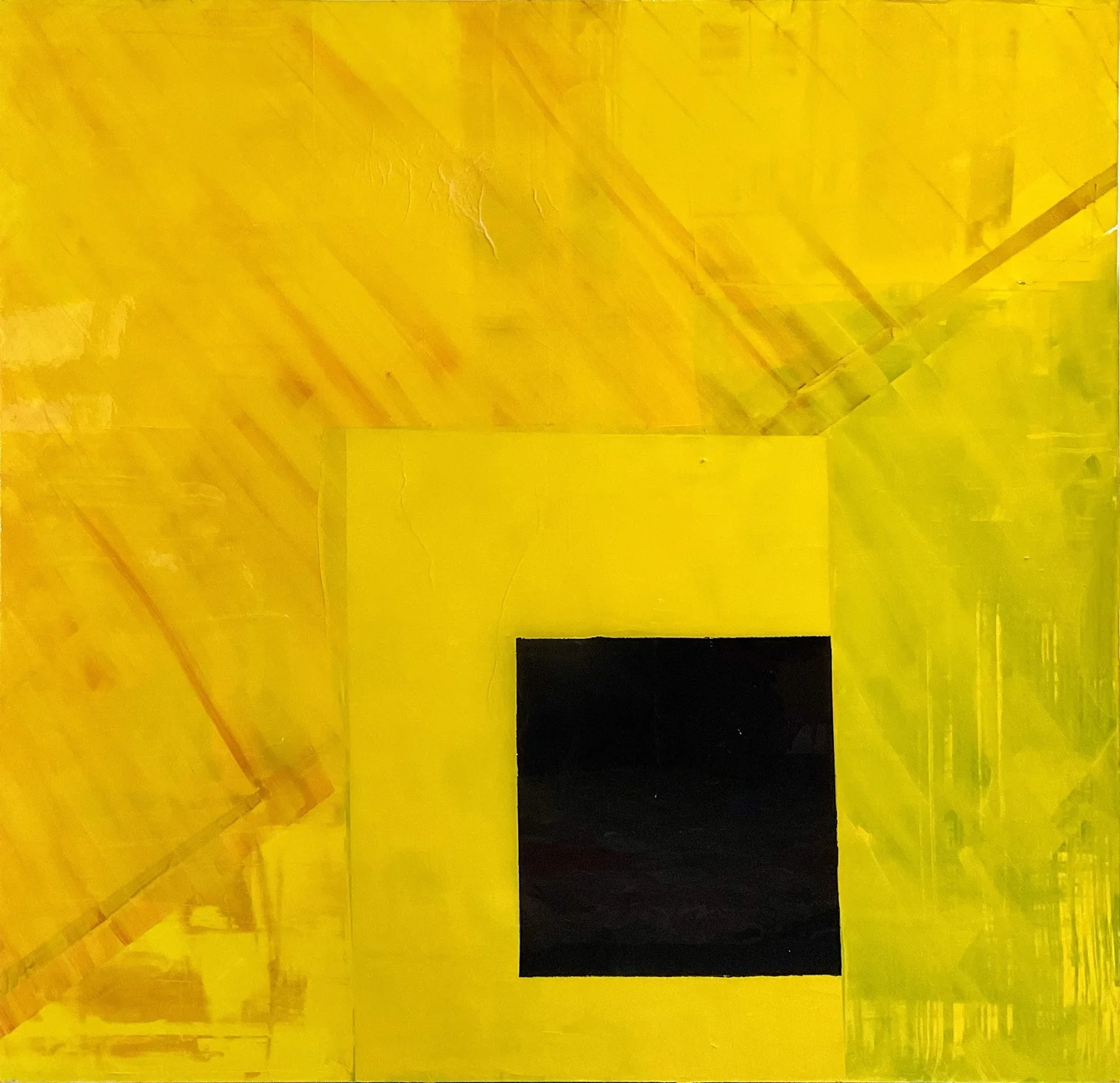
Still
Nothing in it is in a hurry. The room slows down to match.
Acrylic on Canvas · 4 × 4 ft · 2023
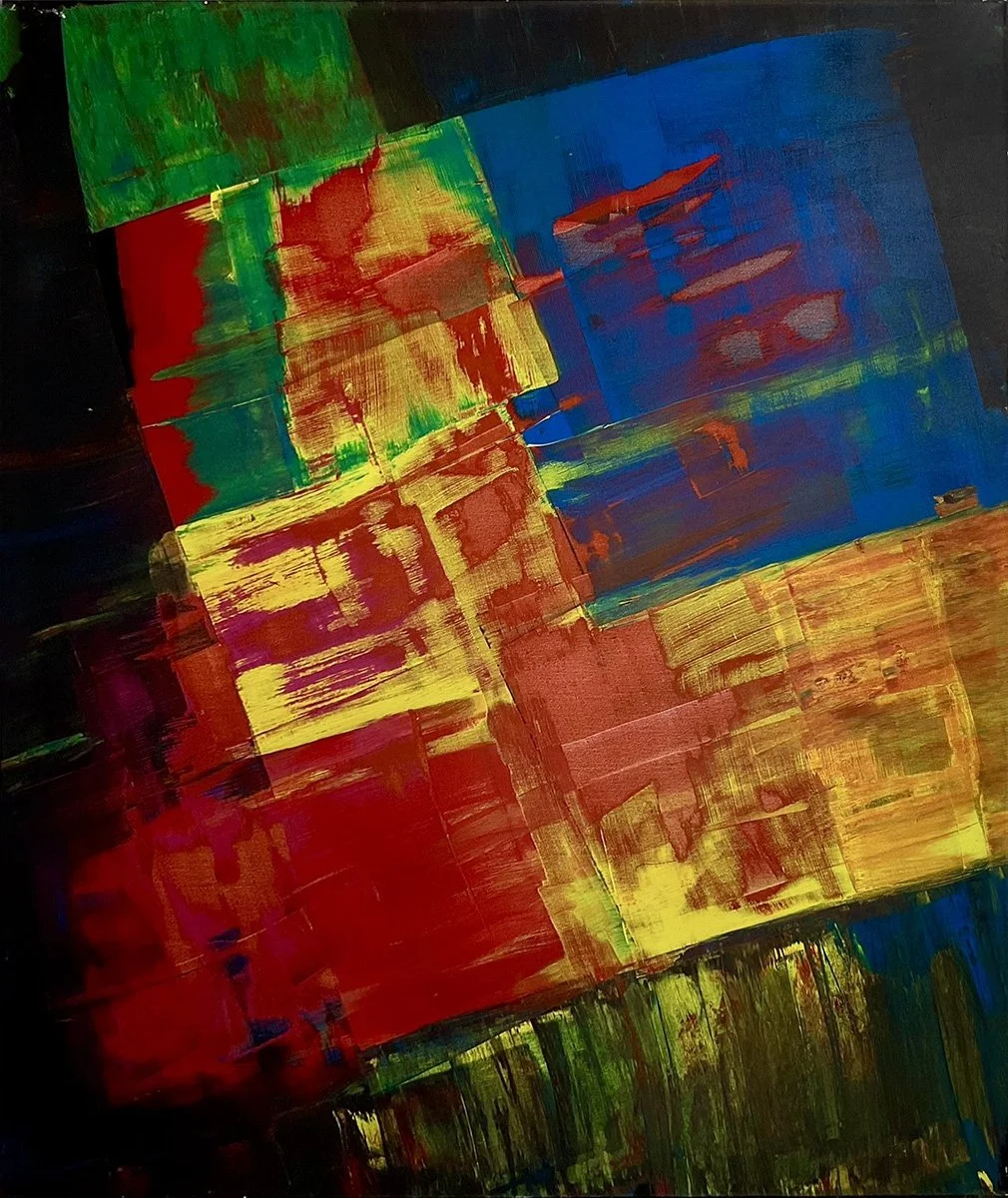
Charged
It has not settled and does not intend to.
Acrylic on Canvas · 6 × 5 ft · 2021
What does the room feel like one second after you walk in?
The object ends here
Six dimensions read the painting.
Three read the encounter.
The Taxonomy describes the object. ArtGraph is everything beyond it.
Three read the encounter
Each of these three has two ends, because an encounter has two sides.
Read from your side, they are the context you bring: the room you have, the change you want worked on it, the person you are. That is what the Abstraction Engine asks about, and it is how they are set out on the Taxonomy itself.
What follows reads them from the painting's side. What the work does to the distance. What it does over five minutes. What it leaves in the body. The same three dimensions, approached from the other end.
The six have only one end. An object has one side. That is why these three are not among them.
Space
the roomWhat the painting does to the distance between you and it.
Not size. A small painting can open a room. A large one can close it.
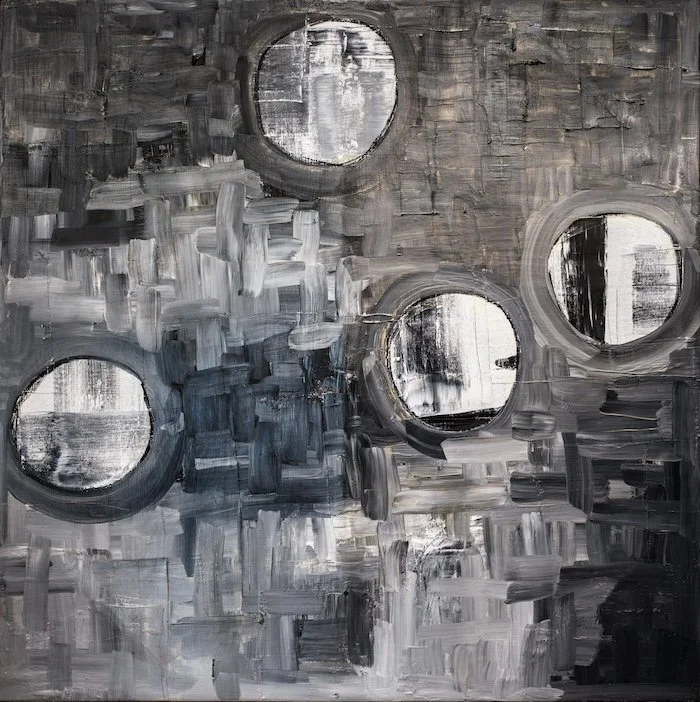
Recedes
It opens backward. Something continues without you.
Acrylic on Canvas · 5 × 5 ft · 2024
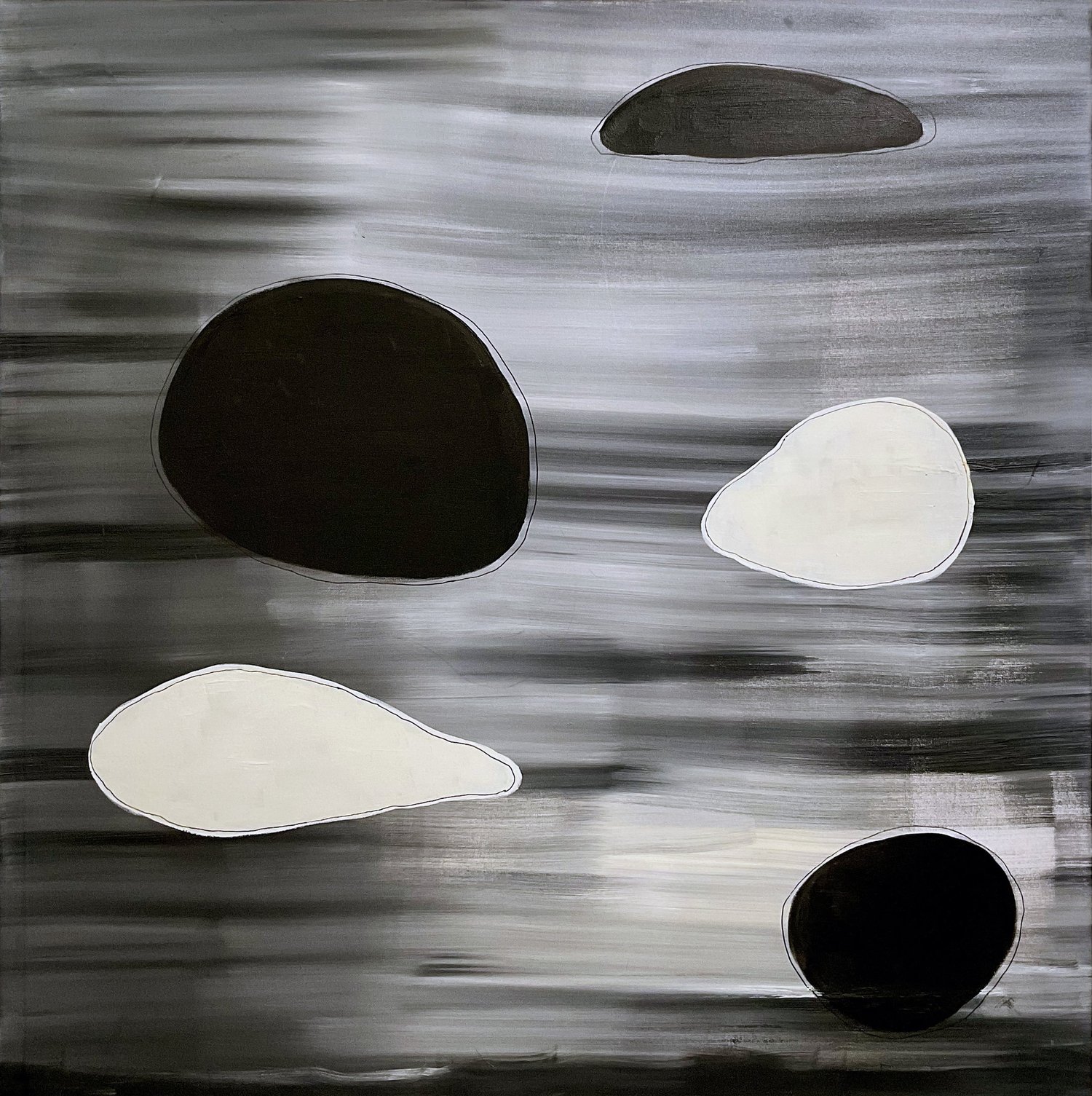
Advances
It comes to meet you and does not stop at the wall.
Acrylic on Canvas · 5 × 5 ft · 2023
Where does the painting put you?
Transformation
the fourth minuteWhat changes in you between the first second and the fifth minute.
Not complexity. A complicated painting can be exhausted in a glance. A simple one can take a decade.
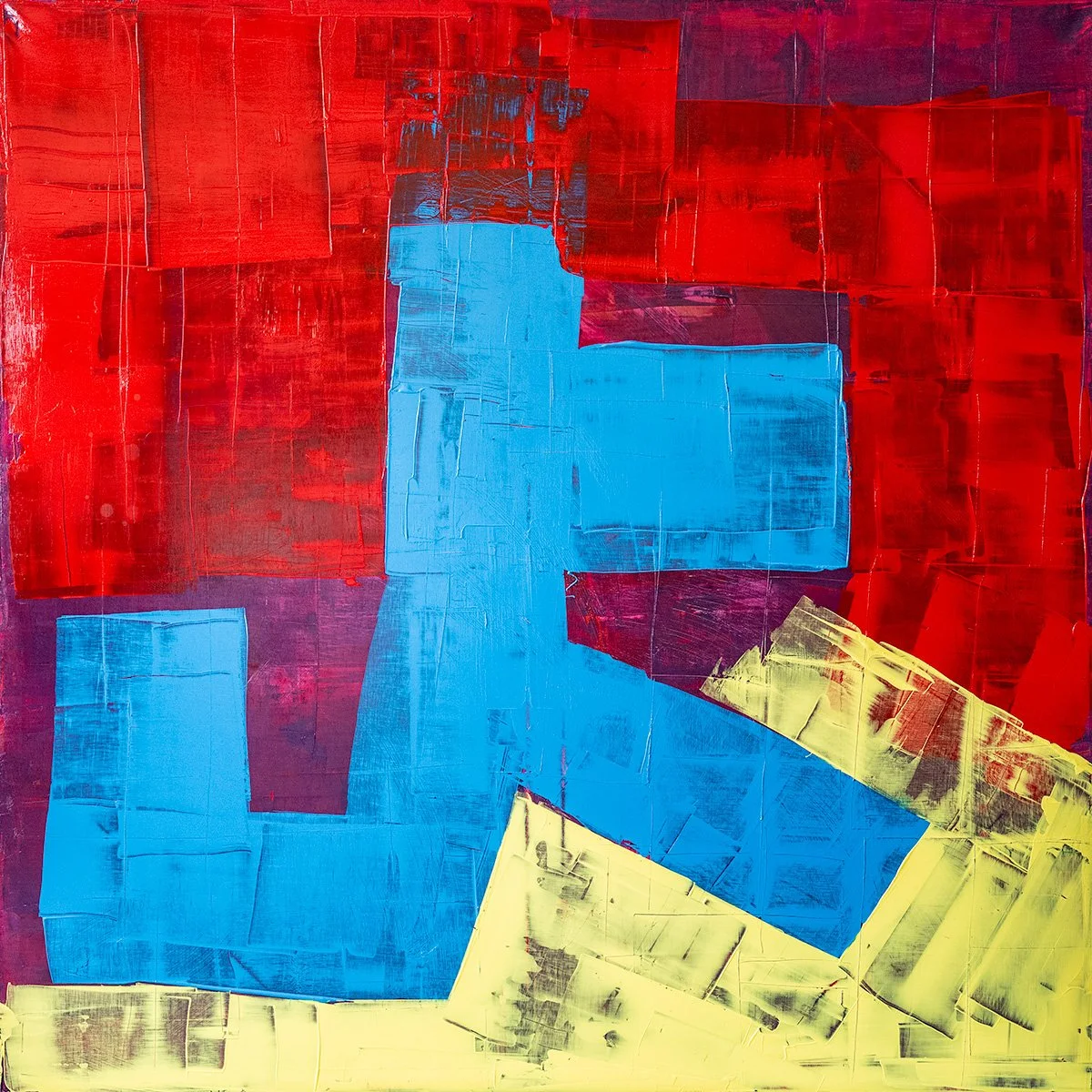
Arrives at once
It gives you everything immediately.
Acrylic on Canvas · 5 × 5 ft · 2026
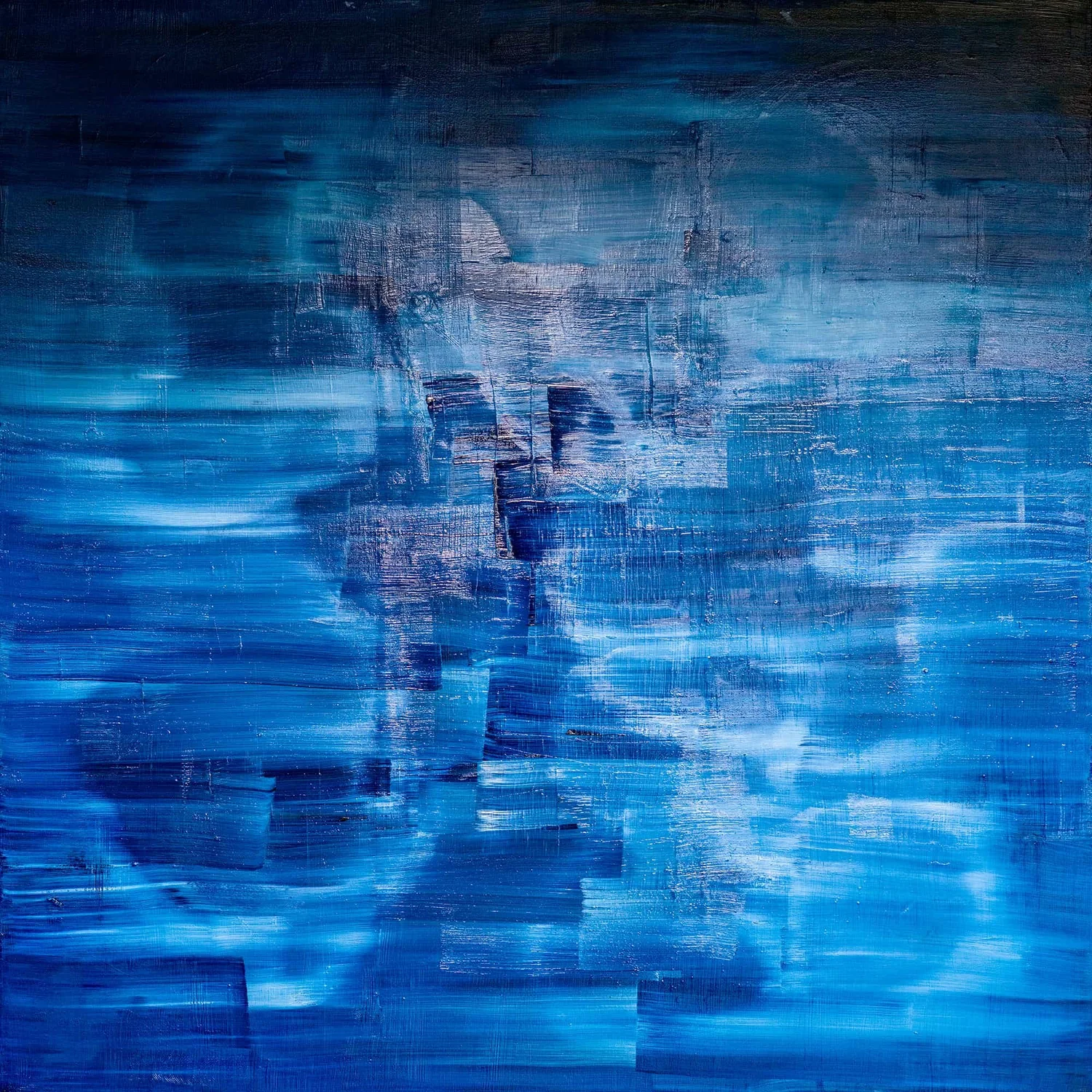
Arrives late
It withholds on contact and opens on the fourth minute, into something that was not there in the first three.
Oil on Canvas · 6 × 6 ft · 2026
Is it the same painting after five minutes?
Feeling
the landingWhat actually lands. Eight names: awe, reverence, tenderness, longing, solitude, aliveness, defiance, restlessness.
Not interpretation. You do not decide what you feel. You notice it, usually late, usually after you have already told yourself something else.
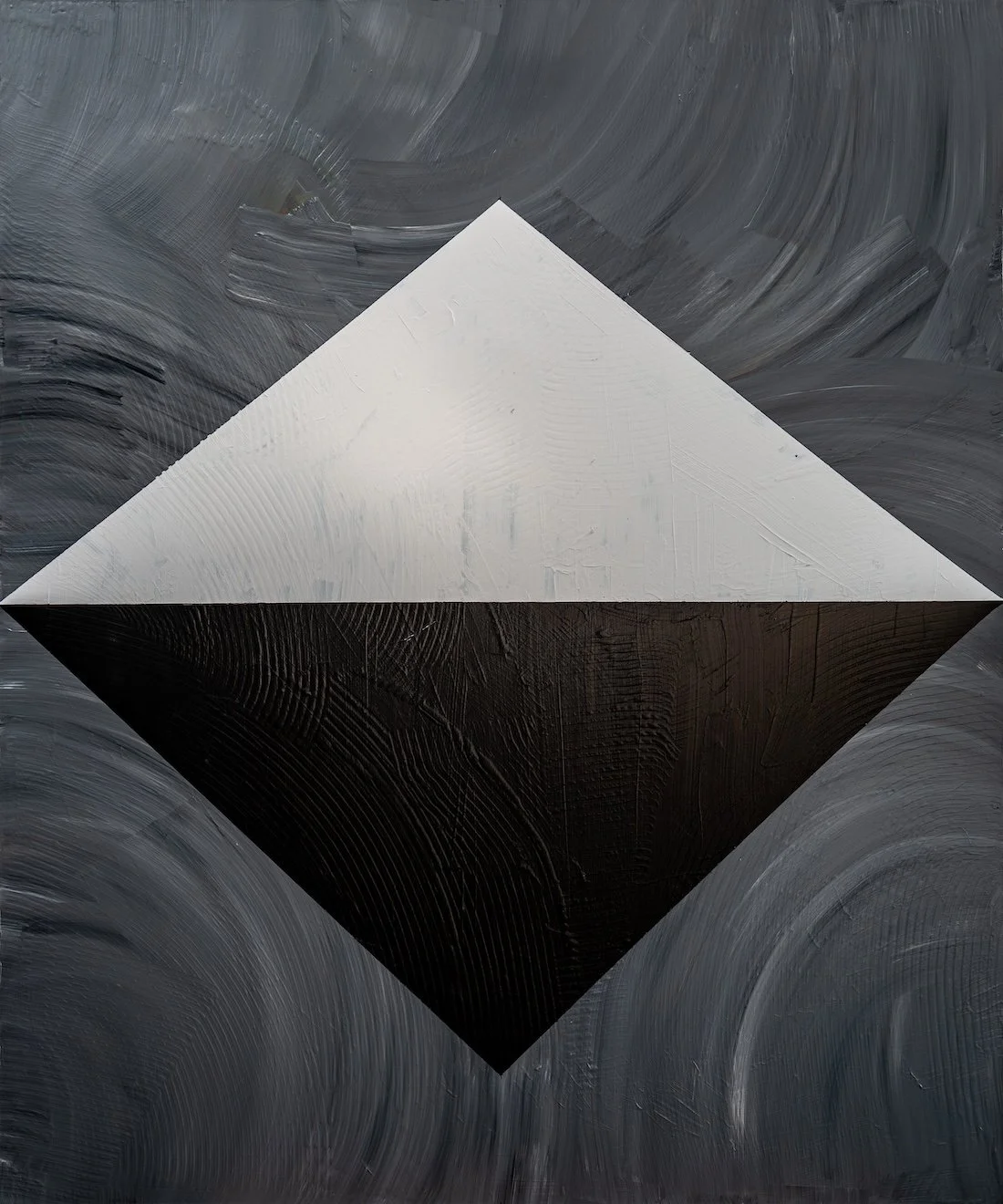
Solitude
Not loneliness. The other thing. The one you go looking for.
Acrylic on Canvas · 6 × 5 ft · 2024
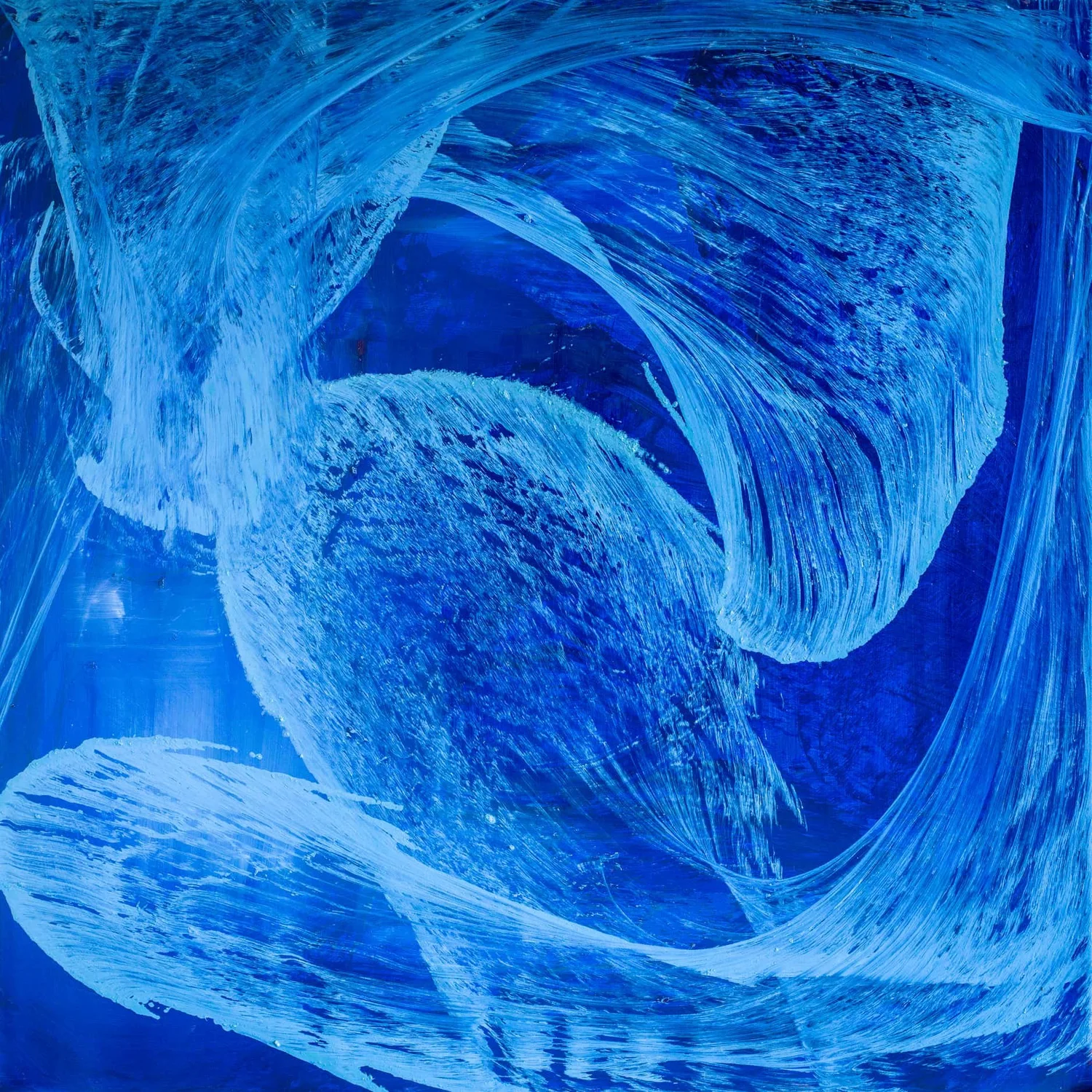
Aliveness
Something in the chest moves before the mind gets there.
Acrylic on Canvas with thread · 5 × 5 ft · 2025
Which of the eight does your body reach for first?
Eighteen paintings, and not one of them has been explained.
That is the design. The six dimensions describe the object as honestly as I know how, and then they stop, because the rest was never in the object. It was in the standing. A taxonomy that told you what a work meant would have become a decoder ring, and abstraction dies on that table.
What the exercise gave me was not a system for judging paintings. It was a way of slowing down in front of one. The pairs above are the proof that the distinctions hold, and the questions are the part you take with you.
Art that listens.
Ritu Raj · Phoenix · The Taxonomy of Abstraction