Journal · Abstract Art & Interpretation
Abstraction as an Act of Trust
Explore how abstraction becomes an act of trust—between artist, process, and viewer—in this poetic reflection by contemporary abstract artist Ritu Raj.
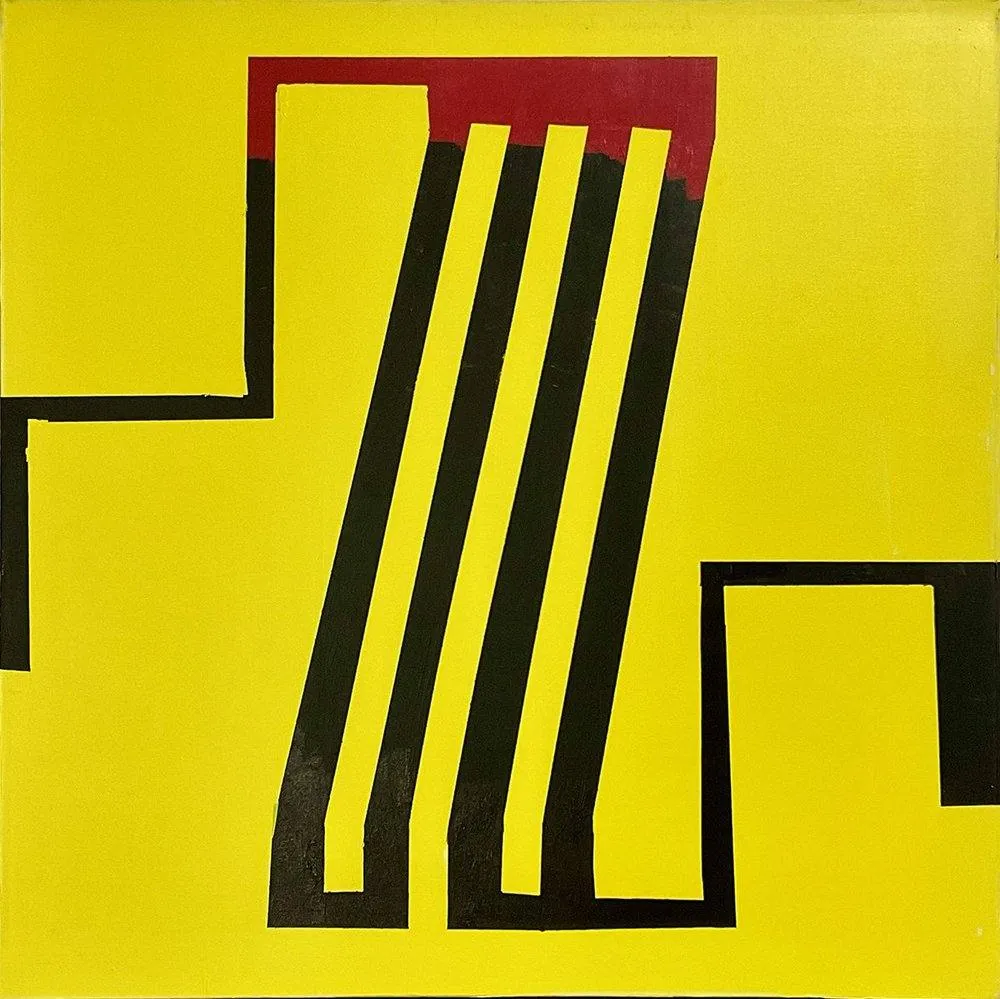
Abstraction has always felt like both a leap and a letting go. When I step into the language of abstraction, I am choosing to trust the process more than the plan, the gesture more than the outline. It’s a space where meaning doesn’t arrive fully formed — it emerges, stumbles, reveals itself in fragments, if at all.
In the studio, I often begin with a vague sense of direction, a color, a shape, an impulse. But as the painting unfolds, I have to allow it to take me somewhere I didn’t expect. This is the act of trust — trusting that the work knows something I don’t, that what feels chaotic might become coherence in its own time. And if it doesn’t, that’s part of the truth too.
Abstraction, for me, isn’t about escaping reality. It’s about opening the space for deeper, less literal ways of seeing and feeling. It invites me — and the viewer — to dwell in ambiguity, to make space for contradictions, to linger in the unresolved. There’s a tenderness in that, a willingness to not know everything at once. It’s the same kind of trust I bring to the blank canvas, to the creative process itself, and to the moments in life when clarity feels far away.
“Abstraction is where I go to practice trust — in the materials, in the moment, in myself.”
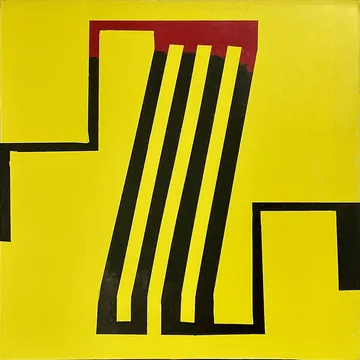
Paintings in this essay
Keep reading