Journal · Organic Movement
The Return of the Tactile: Why Organic Movement Matters Now
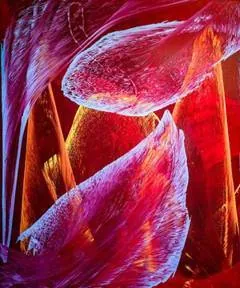
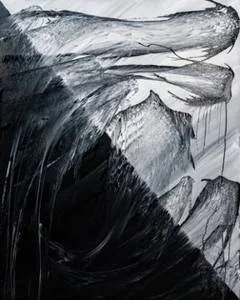
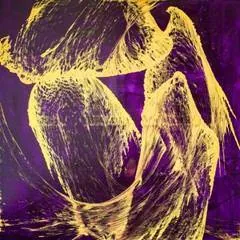
In a world overwhelmed by screens and algorithms, a new aesthetic revolution is quietly blooming—rooted in texture, imperfection, and the raw rhythms of nature. “Organic Movement” is more than a trend; it's a return to something primal and enduring, where art reconnects us to the world we nearly forgot how to feel. In this guided gallery walk, we spotlight 15 pioneering artists redefining abstraction through fiber, form, and natural resonance.
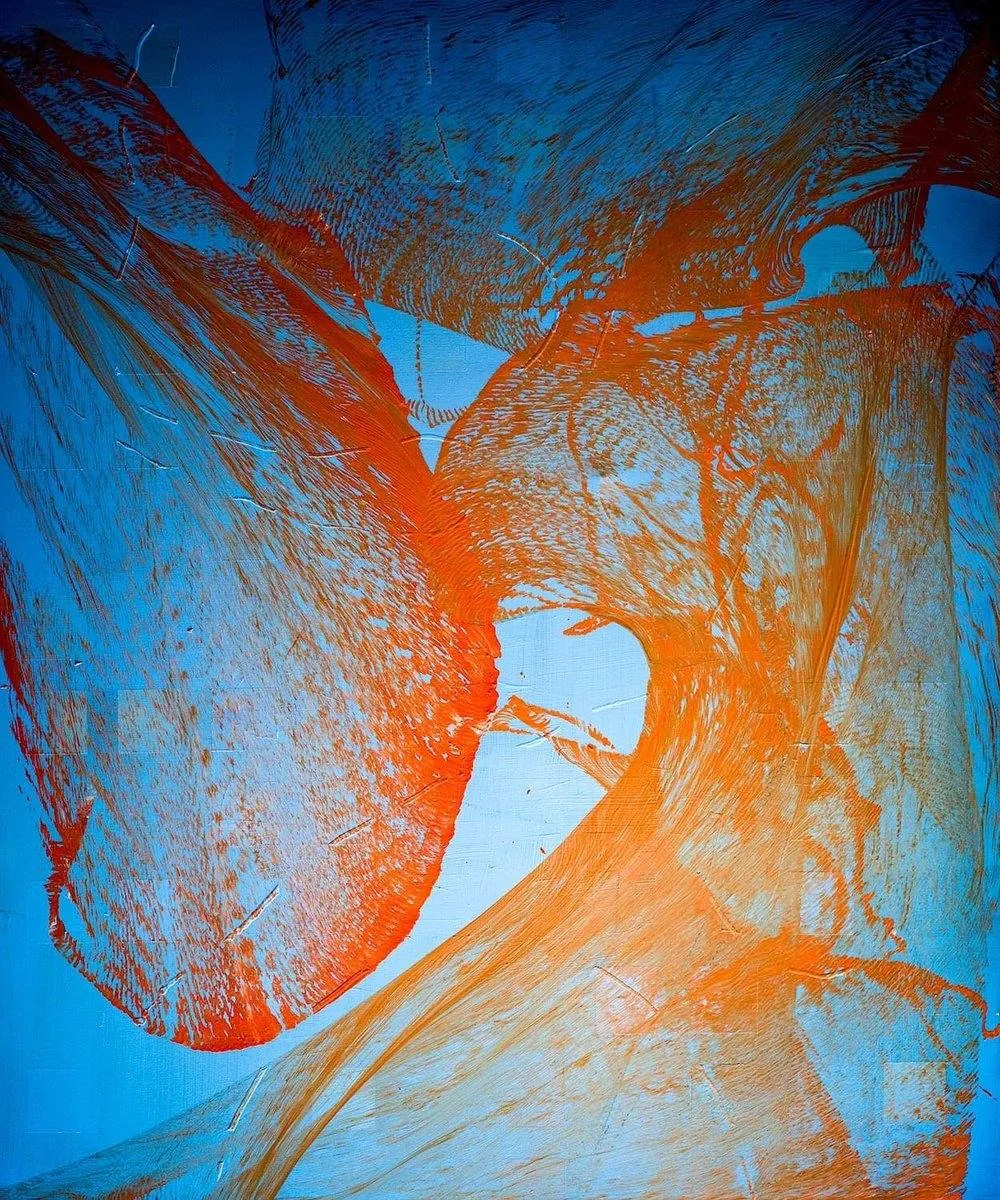
In an era of digital saturation, the desire for grounding, tactile experiences is no longer a fringe reaction—it’s a cultural reckoning. Organic Movement, a practice driven by material and gesture, is leading that charge in the art world.
This blog is your gallery walk. Curators, collectors, and curious seekers are invited to explore the resurgence of nature-driven abstraction and the artists shaping it today. From thread-based paintings to ephemeral land art, these artists root us in the physical world just as we begin to feel most detached from it.
With collectors increasingly valuing physicality and narrative—especially in works under $50,000—understanding who’s pushing boundaries in organic abstraction is not only insightful, it’s strategic.
Defining Organic Movement and Natural Form Abstraction
Organic Movement refers to process-driven works that often use unconventional materials like twine or natural fibers. These pieces embrace spontaneity, allowing nature to shape the composition as much as the artist. Biomorphic Abstraction, by contrast, refers to 1930s-modernist aesthetics that mimic organic shapes but aren't necessarily crafted from organic processes.
“For Ritu, thread painting is more than technique—it is philosophy…” — CanvasRebel
Comparison | Organic Movement | Biomorphic Abstraction
------------------—|-----------------------------------———|--------------------------------
Origins | Post-2010, process- and material-led | 1930s surrealist-modernist roots
Technique | Thread, natural media, surrender | Brush, stylized biomorphic shapes
Collector Appeal | High-touch, narrative-rich | Historical, design-forward
Nature as Medium and Message
For many artists in this movement, impermanence, entropy, and meditative presence are essential themes. Jean Arp’s belief in “art as nature in its essence” finds new life in practices like thread painting, which embraces unpredictability and process as a collaborator.
The pandemic further accelerated interest in biophilic environments—spaces that mimic the calming effects of nature—leading to a surge in demand for works that incorporate natural textures and systems.
Key Visual Signatures
- Thread-painted filaments
- Ephemeral land gestures
- Infinite dot fields
- Natural substrate layering
- Sculpted paper or fiber topographies
- Looping contour repetitions
- Pigment absorption patterns on raw canvas
Fifteen Revolutionary Artists Leading the Organic Movement
Ritu Raj — Thread-Painted Visual Meditations
Works like Emerald Crescendo and Cerulean Pulse explore the balance of control and surrender using oil-soaked thread. Investment starts at $10,000. Start the Conversation
Andy Goldsworthy — Ephemeral Earth Gestures
Focus on transience and documentation through photography.
Cite one exhibition or publication date for credibility.
Olafur Eliasson — Immersive Atmospheric Sculptures
Emphasize experiential, multi-sensory installations linking light, water, and air.
Note sustainability initiatives (e.g., Little Sun project).
Agnes Denes — Ecological Land Interventions
Summarize Wheatfield — A Confrontation and its socio-ecological critique.
Yayoi Kusama — Infinite Organic Patterns
Connect her polka-dot “infinity nets” to natural cellular repetition.
Jean Arp — Pioneering Biomorphic Forms
Offer a two-sentence historical anchor; mention major museum holdings.
Georgia O’Keeffe — Monumental Natural Abstractions
Highlight macro perspectives that verge on abstraction, bridging realism and Organic Movement interests.
Robert Smithson — Site-Specific Entropy Works
Detail Spiral Jetty as an exploration of geological time.
Nils-Udo — Forest Installations in Living Color
Note use of living plants and seasonal change.
Aurora Robson — Up-cycled Organic Assemblages
Mention plastic debris transformation and environmental messaging.
Jason deCaires Taylor — Underwater Reef Sculptures
Explain dual role as art and artificial reef promoting marine life.
Diana Malivani — Painterly Organic Rhythms
Touch on palette knife textures and oceanic color schemes.
Nick Bultman — Kinetic Paint Motion
Introduce motor-driven paint apparatus; define “kinetic” in one clause.
Vanessa Hogge — Porcelain Floral Topographies
Describe sculpted petals and monochrome ceramic relief.
Kuanth — Meditative Ink Biomorphs
Position as emerging talent blending calligraphy with fluid abstraction.
Inside the Studio: Making a Thread-Painted Work
1. Preparing the Materials
Cotton twine is soaked in oil pigments for 24 hours. Canvas is clear-gessoed to retain texture.
2. Layering Without Brushes
Thread is dropped, dragged, and rotated across the surface. Each layer partially cures before the next.
3. Sealing and Provenance
A UV-stable varnish is applied; epoxy resin is optional. Each work includes a certificate and digital ledger.Why Collectors Are Leaning Into Organic Movement
Wellness and Sensory Engagement
Nature-inspired art reduces stress markers by up to 10%, per recent research. Tactile art enhances emotional engagement.
Craftsmanship and Scarcity
Each piece is labor-intensive, built to last over 100 years with proper care. Supply remains limited.
Commission Your Own
From space audit to final reveal, custom thread paintings are available on a 8–14 week schedule.Frequently Asked Questions
What makes organic movement different from other abstract styles?
Organic Movement replaces brushes with oil-soaked thread, creating unpredictable, multidimensional gestures that mirror nature’s imperfections, while traditional abstract styles often rely on planned brushwork.
How long does a thread-painted commission typically take?
Most commissions require 8–14 weeks, allowing time for layered curing, progress reviews, and museum-grade varnishing.
What is the investment range for a museum-quality organic movement painting?
Originals begin at $10,000 and can scale upward based on size, complexity, and framing requirements.
How do I care for and display textured organic artworks?
Install away from direct UV light, maintain stable humidity, and dust gently with a soft, dry microfiber cloth twice a year.
Where can I view or acquire ritu raj originals today?
Visit RituArt.com for available works or schedule a studio viewing; selected pieces also appear at Jarrow & Goodman gallery in Los Angeles.
Keep reading