Journal · Collector Guides
Three Ways to Hold a Painting: Emotion, Asset, Opportunity
A painting can be loved, held as an asset, or traded. Each kind of collector is real. Only one of them changes the room.
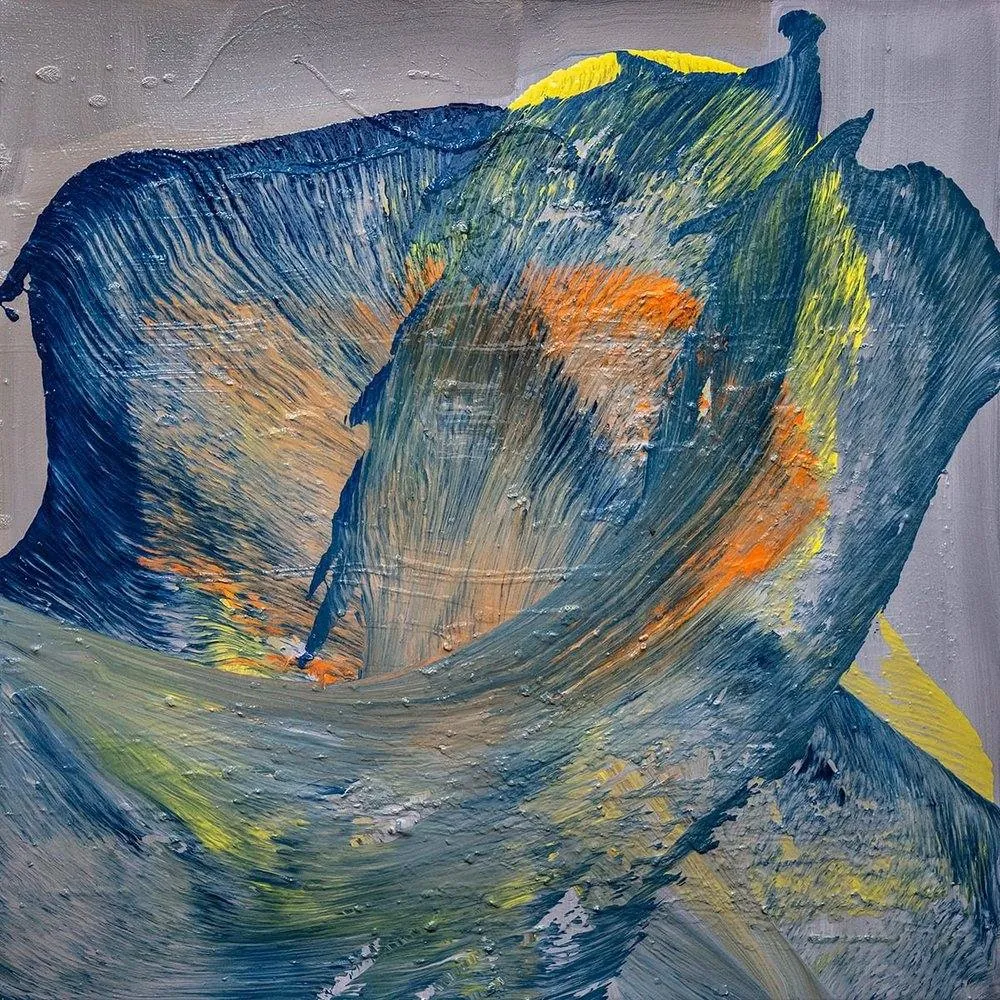
One painting, three ways to hold it
Art is now an asset class. Stocks, property, gold — and paintings. Collectors weigh resale, market stability and returns, and the language of portfolios has walked into the studio. I don’t pretend this isn’t happening. I would rather understand it than resent it, because the people who buy paintings arrive for different reasons, and each reason is real.
Standing in the studio with collectors over the years, I have met three of them.
The aesthetic collector
They come for the encounter. Something in a painting stops them, and they want to live with it. Their time horizon is the rest of their life, and often the next generation’s. What they want from me is the truth about how a painting was made: the thread, the waiting, the morning it finally went quiet. A painting for them is an heirloom of attention.
The investor
They come for the encounter too, but they also think in decades. They want to know the work is serious and documented: exhibition history, gallery representation, provenance, a certificate signed by the artist, materials that will last. These are fair questions. A painting that holds up over years of looking tends to hold its value for the same reason — it keeps giving something back.
The speculator
They come for momentum. Who is rising, what sold, which fair. Their horizon is short. I understand the appetite, but I don’t paint for it, and I won’t manufacture scarcity or urgency to feed it. A painting that is bought only to be sold again has not yet been seen.
What stays the same
One painting can carry all three meanings at once — emotional for one person, a long-term holding for another, a signal for a third. I don’t need to choose between them, and I don’t change the work to suit any of them.
What I can do is tell the truth about each painting: what it is, how it was made, what it asks of a room. The rest belongs to the person standing in front of it. In my experience, even the most careful investor buys the painting that stopped them first.
Keep reading